
Last updated November 20, 2026
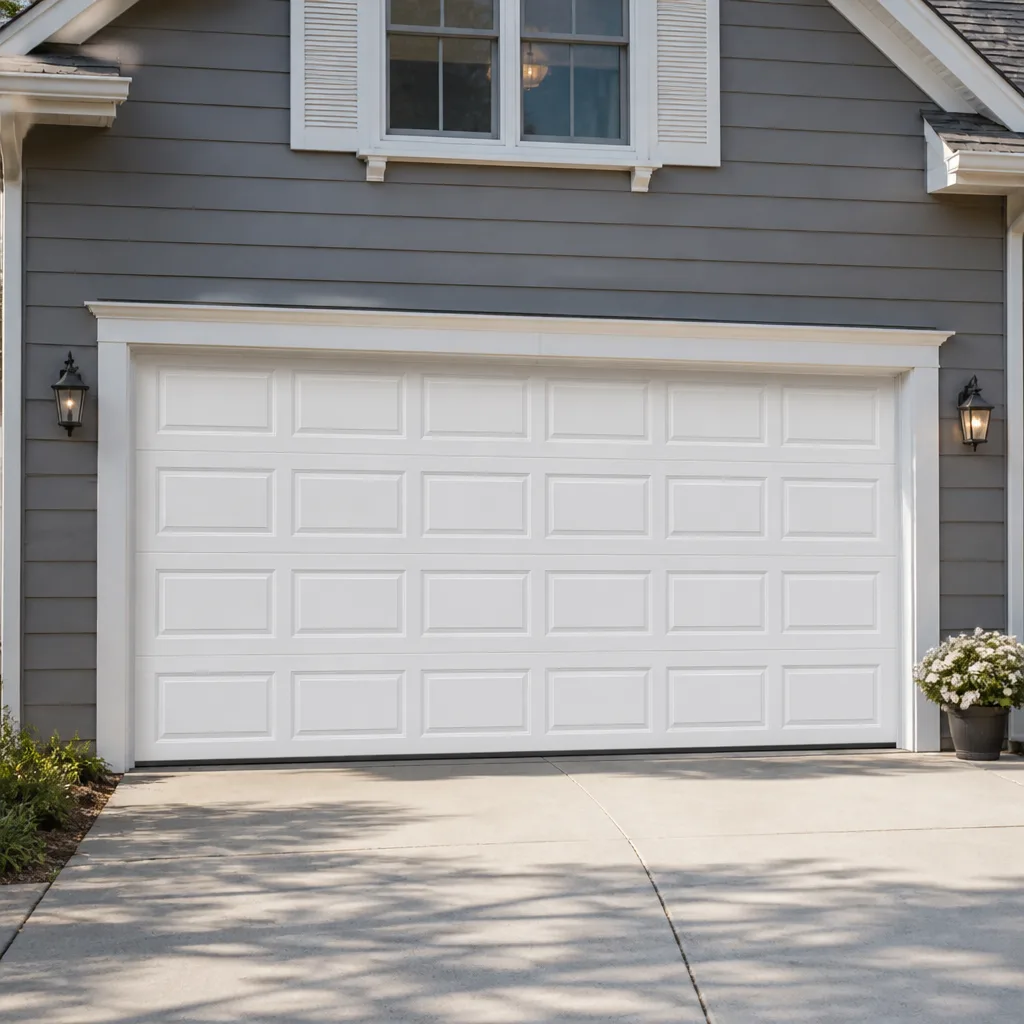 Raised-panel steel
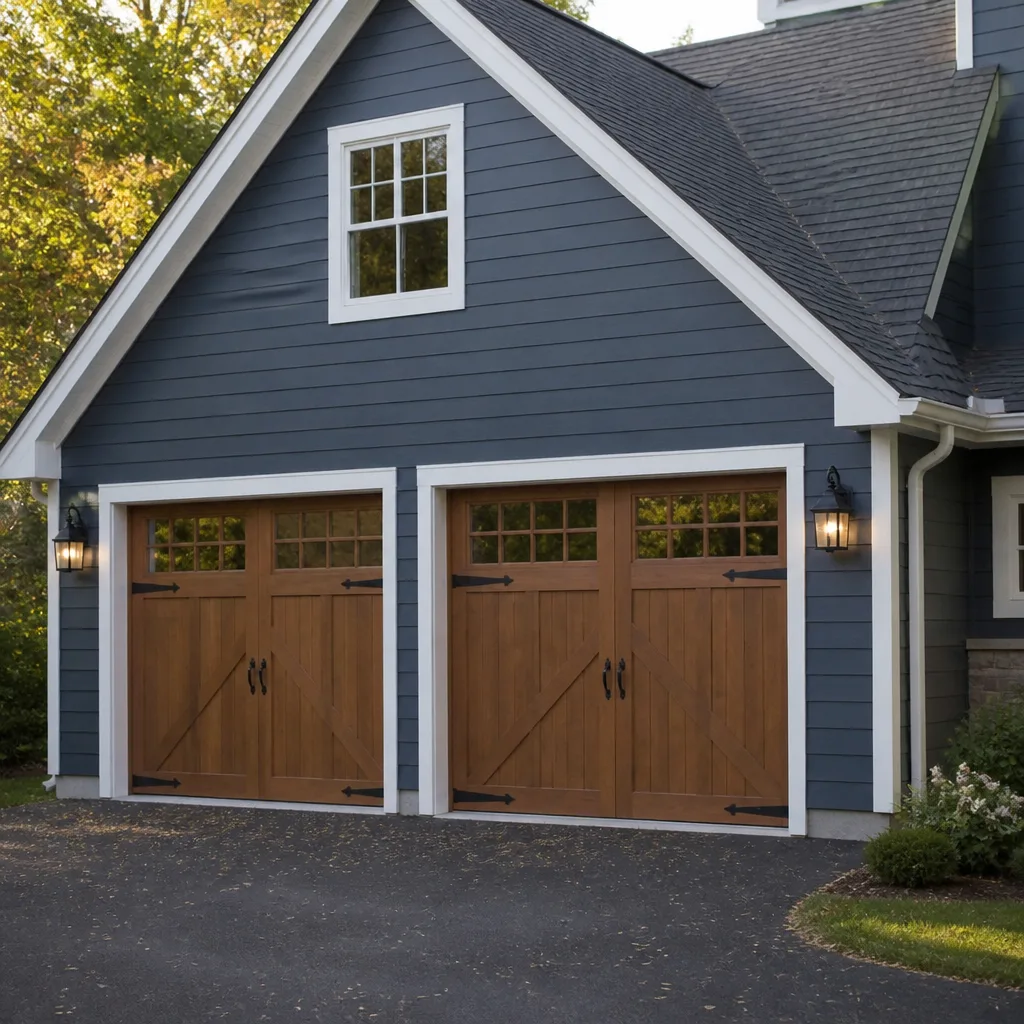 Carriage house
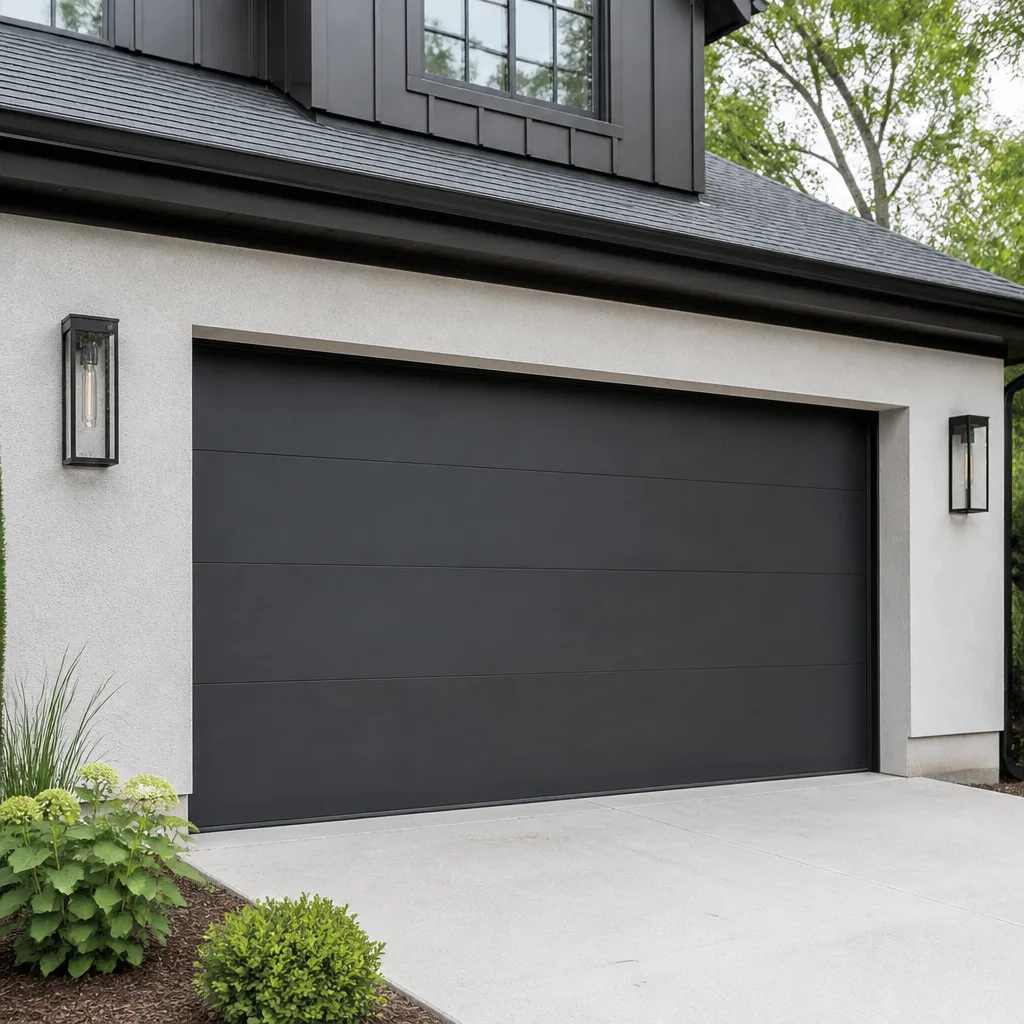 Modern flush
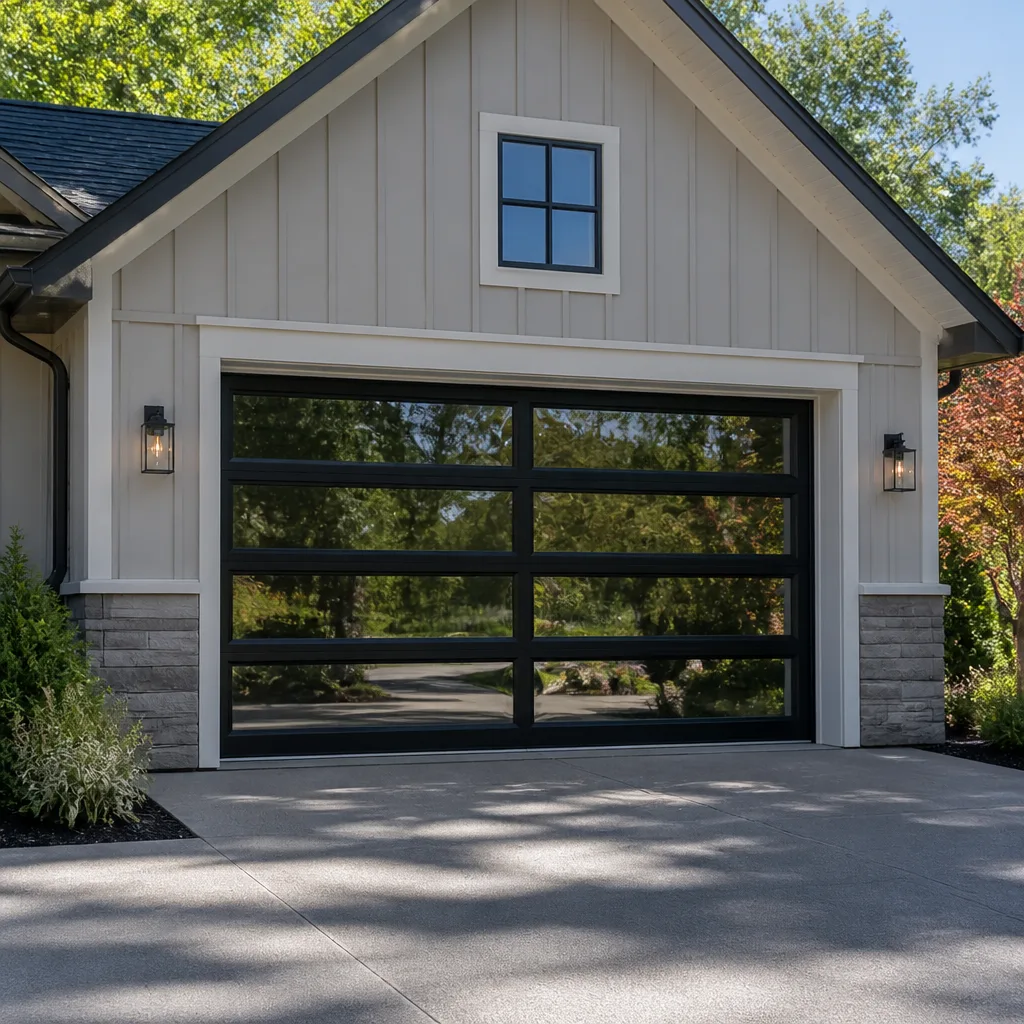 Full-view glass
 LiftMaster openers
 Chamberlain openers
Full 25-point door and opener safety check with every visit - springs, cables, rollers, tracks, and your LiftMaster or Chamberlain opener included
You get a price before we start. It does not change when the pro arrives.
Get your free estimateGarage Door Permits, Codes & Inspections in Puyallup, WA: What You Need to Know
Most garage door work in Puyallup needs no permit at all. A snapped spring, a dead opener, a bent track, a worn roller – that’s repair, and repair doesn’t go through the city. Here’s the counterintuitive part: replacing a door on an attached, finished garage in Puyallup can pull you into a Washington State energy code review that many homeowners never see coming. They think they’re buying a door and it turns into a compliance conversation. This guide draws the line clearly: which work is permit-free, which work requires a permit, how the inspection actually runs, and why skipping it can surface years later at a home sale. If you own a garage in Puyallup, this is the map.
Quick Answer
In Puyallup, repairs to garage doors, openers, and springs generally don’t require a building permit. Replacing a garage door on an attached garage – especially a finished or conditioned one – can require a permit and an energy code review under Washington State rules, and structural changes such as header work require their own structural permit. Always confirm with the City of Puyallup building department before work begins, since requirements depend on your specific garage.
Styles & brands we work with
- Raised-panel steel
- Carriage house
- Modern flush
- Full-view glass
- LiftMaster openers
- Chamberlain openers
Table of Contents
- Repair vs. Replacement: Where the Permit Line Sits
- Permit Thresholds in Puyallup and Pierce County
- Washington Energy Code and Your Garage Door
- When Header Work Needs a Structural Permit
- How Unpermitted Work Surfaces at a Home Sale
- The Inspection Process: What Inspectors Look At
- Puyallup Conditions That Affect Door Work
- Key Takeaways
Repair vs. Replacement: Where the Permit Line Sits
The line between repair and replacement is the single most useful distinction for anyone planning garage door work in Puyallup. Repair means restoring the existing door system to working order. Replacement means removing the door and putting a different one in the tracks. Those two jobs sit on different sides of the permit question.
Here’s how we think about it, and how most jurisdictions treat it:
- Repair – no permit. Swapping broken springs, replacing rollers and hinges, re-aligning tracks, replacing a section panel, fixing or replacing an opener. This is maintenance and repair of existing equipment. Our garage door repair work falls here.
- Replacement – possibly permit required. Installing a new door assembly where an old one was. Whether a permit is required depends on the garage, the door, and the energy implications, which we cover below.
- Structural change – permit required. Opening the wall header to install a taller door, widening the opening, adding framing. This is structural work and requires a separate structural permit.
That gives you a working rule: if you’re fixing what’s there, you’re in repair territory. If you’re changing what’s there, or what surrounds it, ask the city before the work starts. It takes one phone call to Puyallup’s building department to move from “probably fine” to a clear answer.
This matters practically because homeowners call us after something has already failed – a snapped spring, a door off its tracks, an opener that quit. In those situations, the fix is repair, and it typically doesn’t involve the city at all. You just want the door back in service. That’s exactly the work we’re set up for: eight major brands, including Raynor and LiftMaster, diagnosed and restored. Not a replacement sale.
Permit Thresholds in Puyallup and Pierce County
Puyallup sits within Pierce County, and building permits for work inside city limits generally run through the City of Puyallup’s building department rather than the county. That distinction catches people who assume Pierce County governs everything with a Puyallup address. It doesn’t – incorporated city limits go to the city.
Rather than try to memorize a threshold list (which changes and which depends heavily on your specific property), use this as your checklist for the call to the building department:
- Describe the exact work. “Replace garage door on an attached garage” is different from “repair garage door spring.” Say which one you’re doing.
- Note the garage condition. Is the garage attached or detached? Finished with drywall? Conditioned with ductwork? That detail changes the answer.
- Ask about the energy code. Replacing a door on a conditioned or semi-conditioned garage can trigger a review. Ask directly whether your project does.
- Mention any structural change. If the opening is getting wider or taller, say so. That moves it into structural permit territory.
- Get the answer in writing. An email from the building department documenting that no permit is needed is worth keeping with your home records.
The reason we recommend the written answer isn’t bureaucracy. It’s that the reader of that answer years from now may not be you. When a home sells, a buyer’s inspector doesn’t know what was confirmed verbally. A short written record closes that gap.
Detached garages and outbuildings can be treated differently from attached garages under both building and energy codes. The same door replacement on a detached garage may not carry the same energy code implications as one on an attached, finished garage. That’s precisely why the answer depends on the specific structure, not on a single number. Ask about yours.
Washington Energy Code and Your Garage Door
Here’s the part that surprises homeowners. In many parts of the country, swapping a garage door is treated as simple like-for-like maintenance. In Washington, an attached garage that’s finished or semi-conditioned – one with insulated walls, ceiling, or ductwork running through it – can trigger an energy code review when the door is replaced. The door becomes an envelope component, and the code cares about envelope components.
The practical implication is that the door you choose matters more than you’d expect. An uninsulated door and an insulated door in the same opening have different energy performance. When the work crosses into a permit and energy review, the code is looking at what replacement door you’re installing, not just whether it opens and closes.
What you should know before ordering a door:
- Ask whether your garage counts as conditioned or semi-conditioned. Finished, drywalled, attached garages with HVAC proximity are the ones most likely to get this attention. A bare stud garage usually isn’t.
- Ask the building department about the energy review directly. “Does replacing a garage door on a finished attached garage require an energy compliance review in Puyallup?” is the exact question.
- Keep the door’s product documentation. If an energy review applies, the door’s specs matter and the paperwork should live with your home records.
This is also the point where hiring the right specialist pays off. We service doors from Clopay and Amarr among others, and we know how the door spec interacts with the opening and the garage’s condition. But we’re a repair specialist, not a door installer – if your project is a replacement that pulls in energy code review, we’d rather point you toward getting that review handled correctly than talk you into a job we don’t do. Being honest about the boundary is part of staying a specialist.
When Header Work Needs a Structural Permit
A door replacement that fits the existing opening is one thing. Changing the opening is another. If the project involves installing a taller door, widening the opening, or adding or altering framing above the door – the header or lintel – that’s structural work, and it requires a separate structural permit in Puyallup.
The header is the beam that carries the wall load above your garage door opening. Garage door openings are one of the more heavily loaded walls in a house, because the door itself creates a wide, mostly empty span. When you alter that span, you’re altering load paths, and that’s why the city wants an engineered solution and an inspection.
Signs your project has crossed into structural territory:
- The new door is taller than the old one and the opening has to be raised.
- The new door is wider and the opening walls have to move apart.
- Any conversion of a standard door to a higher-clearance door for a vehicle.
- Any change to the framing, header, or ceiling structure around the opening.
Structural work is not a caution-to-the-wind job. It’s the category where skipping the permit is most likely to cause real problems later, because it’s the hardest to hide and the most expensive to make right. If you’re planning a structural change in Puyallup, have the design and the permit drawn up before the door is ordered. That sequence keeps you out of the situation where the opening is halfway modified and the permit is still pending.
And if your actual problem is a door that’s stuck, a spring that broke, or an opener that isn’t responding – that’s not structural work. That’s a repair, and it’s the kind of thing we handle directly. Our garage door spring repair approach exists because spring failures are the most common real failure in Puyallup garages and also the most dangerous to work on without training.
How Unpermitted Work Surfaces at a Home Sale
Unpermitted garage work has a way of staying quiet until it isn’t. The moment most homeowners learn about a missing permit is when they’re selling the house. A buyer’s inspector walks the property, notices the door and opening, and the agent asks for the permit record. If there isn’t one, the deal has a problem.
The cost of remediating unpermitted work usually comes down to time, paperwork, and the risk of what the inspector finds. In the better cases, the work was done correctly and it’s a matter of documenting it or in some cases getting a retroactive review. In the worse cases, the work needs to be redone, re-inspected, or structurally evaluated. Either way, it’s a negotiation table issue right when you’re trying to close a sale.
Compare that to the cost of doing it right the first time:
- One phone call to the City of Puyallup building department to find out whether a permit applies.
- One permit application if it does.
- One inspection – often quick, often straightforward.
- One set of records that lives with the house and answers the question without suspense.
That asymmetry is the entire argument for this guide. Homeowners in Puyallup aren’t skipping permits on purpose. They’re assuming garage doors don’t need them, which is mostly true for repair and sometimes false for replacement. The gap between “mostly true” and “sometimes false” is where title and transaction problems live. When in doubt, ask.
The Inspection Process: What Inspectors Look At
If your work does require a permit, here’s what an inspection actually involves. The short version: it’s rarely long, and it’s not adversarial. Inspectors look at a handful of things, mostly around structure and safety.
What a garage door inspection typically focuses on:
- The door and its attachment. Is the door securely fastened to the opening, in proper tracks, and operating smoothly through its full travel?
- The header and framing (if structural work was permitted). Is the beam what the plan said, sized and attached correctly?
- Safety reversal systems. A door with an opener needs to reverse when it contacts an obstruction, and to have functional photo-eye safety sensors if applicable. This is the most common area inspectors check and the most common area inspectors find wanting, because sensors get bumped and misaligned over time.
- Energy performance (if the energy review was triggered). The door installed matches the product documentation and the compliance method.
- Paperwork. The permit is on site, the work matches the plan.
Timing is usually a matter of scheduling an appointment with the city. The inspection itself is brief when the work is visible and matches the plan. If something fails, it’s usually a sensor alignment or a framing attachment issue, which is corrected and re-inspected.
The one thing that makes inspections go smoothly: doing the repair-and-safety work before the inspection, not after. If you’ve been running a door with a broken photo-eye or a non-reversing opener for months, get that fixed. It’s one of the reasons we do what we do – our garage door opener repair covers the safety sensors and reversal system across LiftMaster, Chamberlain, Genie, and Craftsman openers, the brands you’ll find most often in Puyallup homes.
Puyallup Conditions That Affect Door Work
Puyallup is in the Puyallup River valley, and the valley’s weather matters to garage doors in ways a door-in-Texas guide wouldn’t cover. The rainy season here is long and wet. Moisture and temperature swings are the local drivers of wear, and they interact with the kind of work that might raise permit questions.
What that means in practice:
- Track and roller wear from rain and temperature cycling. Wet seasons followed by dry summer stretches cause wood framing to move, and doors get out of alignment. Misalignment causes rollers and hinges to fail early. That’s all repair work, and it doesn’t involve the city.
- Wood door deterioration. Older wood garage doors in Puyallup homes – many in neighborhoods around downtown and along the valley – absorb moisture over the years and swell, delaminate, or rot at the bottom panel. Sometimes a panel replacement fixes it. Sometimes the door has deteriorated to the point where replacement makes sense, and that’s where the permit question comes in.
- Insulated doors in finished garages. The energy code conversation described above comes into focus because so many Puyallup homes have finished garages someone actually uses – as a workshop, a gym, a storage room. The more finished the garage, the more the energy code cares about the door.
- Spring cycle life in real use. Springs are rated in cycles, not years. A door that cycles many times a day wears out its springs faster than one opened once a day. In Puyallup, that shows up on doors used heavily by a family with two cars coming and going daily.
None of these local facts change the permit rules. They change how often Puyallup homeowners end up asking the question. When a repair becomes a replacement, the answer to “do I need a permit?” goes from no to maybe.
Key Takeaways
- Repair is generally permit-free. Springs, openers, tracks, rollers, sections, hinges – fixing what’s there typically doesn’t involve the city.
- Replacement depends on the garage. Replacing a door on an attached, finished, or semi-conditioned garage in Puyallup can trigger a Washington energy code review and a permit. Ask the City of Puyallup building department before ordering a door.
- Structural changes require a structural permit. Widening or raising the opening, changing the header – that’s a separate permit and engineering.
- Write the answer down. Keep documentation of any permit determination with your home records. It protects you at a future sale.
- Unpermitted work is a sale-table problem. It’s invisible until it isn’t, and remediation at transaction time is more complicated than doing it right initially.
- Inspections focus on safety. Attachment, framing, and the safety reversal system are what inspectors care about most, and they’re quick when the door is properly maintained.
Common Mistakes to Avoid
- Assuming all garage door work needs a permit. Most of it doesn’t. A broken spring or a dead opener is a repair, and treating it as a permitting project just slows you down. In Puyallup, most calls we handle involve no city involvement at all.
- Assuming no garage door work ever needs one. The flip side. A door replacement on a finished, attached garage can trigger an energy code review, and a widening job needs a structural permit. Verify with the city before the work starts.
- Skipping the written confirmation. A verbal “you’re fine” is worth nothing at a home sale. An email from the building department that records the answer is worth a lot.
- Replacing a door without checking the energy code. Washington’s energy code treats insulated envelope components with more attention than most states. A door gone wrong here isn’t just a cosmetic choice; it can be a compliance issue.
- Treating a structural change as a door swap. If the opening is changing, the project has crossed a line. Get the structural permit drawn up first, before the new door is ordered.
- Letting safety sensors sit broken. The most common inspection finding is a misaligned or failed safety sensor or a door that doesn’t reverse. It’s also the one failure mode most likely to hurt someone. Fix it, don’t wait for the inspector.
- Letting a repair slide until it becomes a replacement. A sticking track or a worn roller was a repair. When the worn roller takes out the door panel and the door is beyond fixing, the job becomes a replacement and the permit question enters. Catching it early keeps the job on the simple side.
See the difference
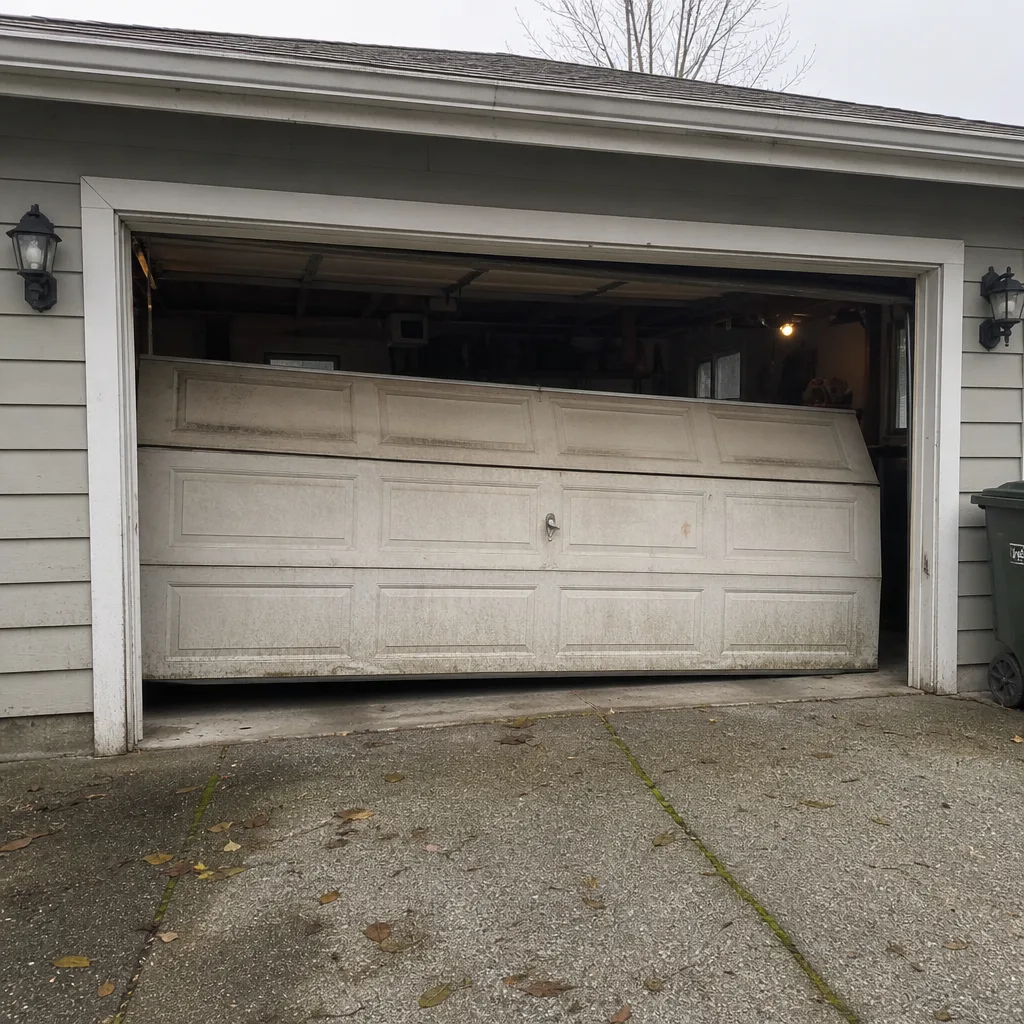 Before
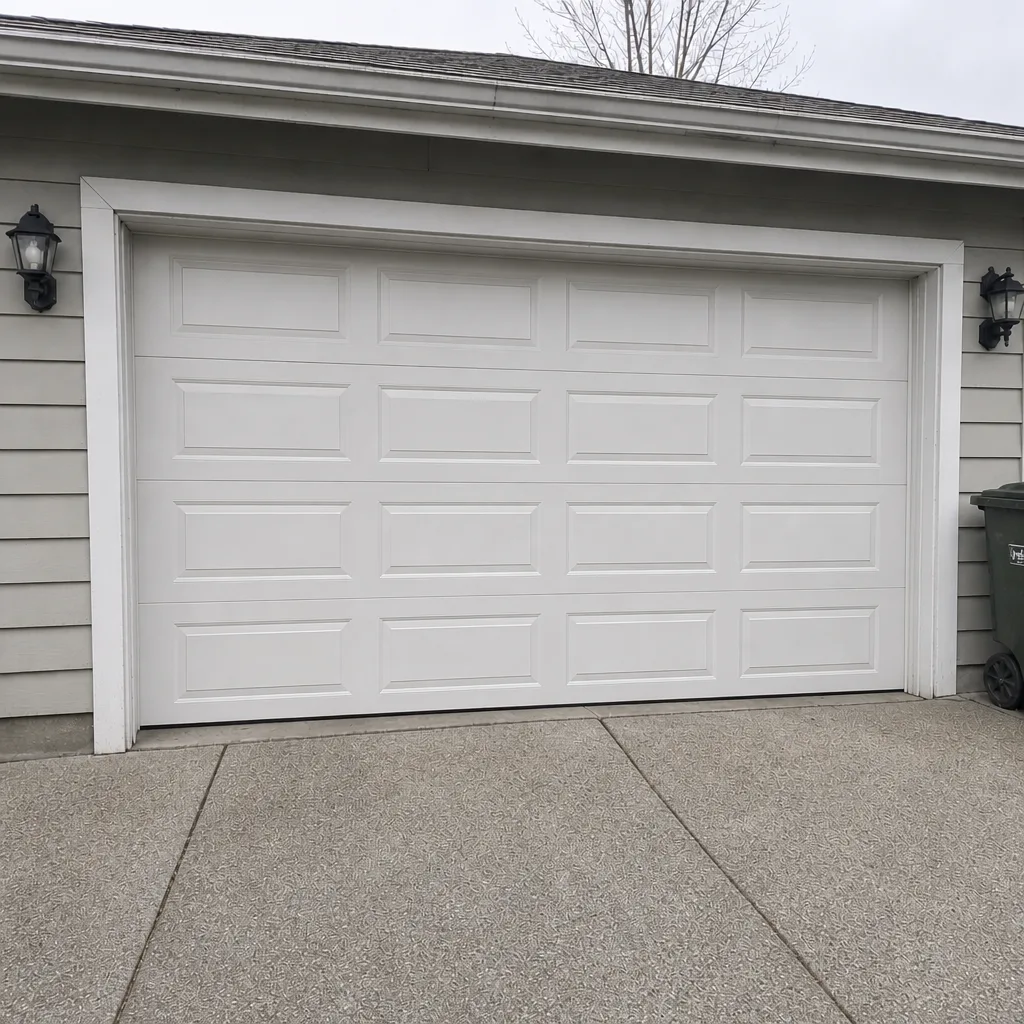 After
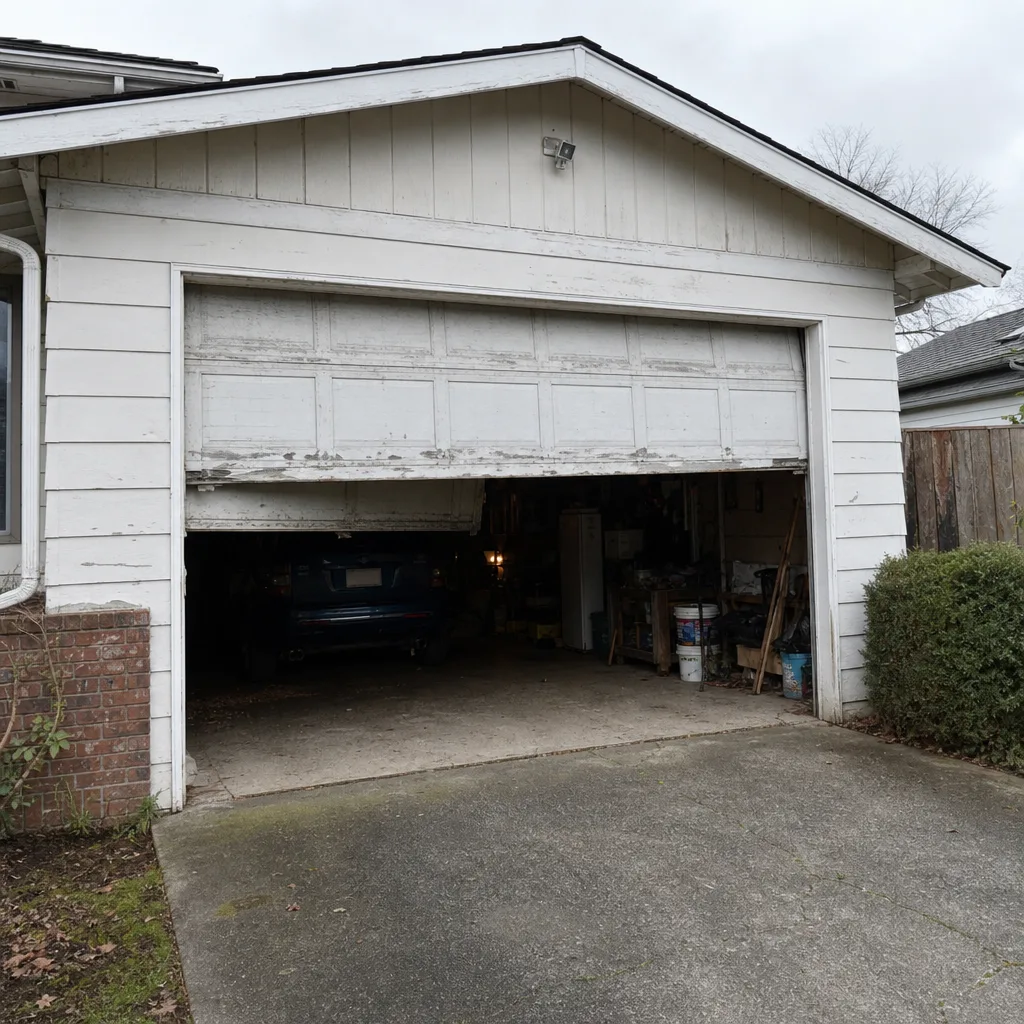 Before
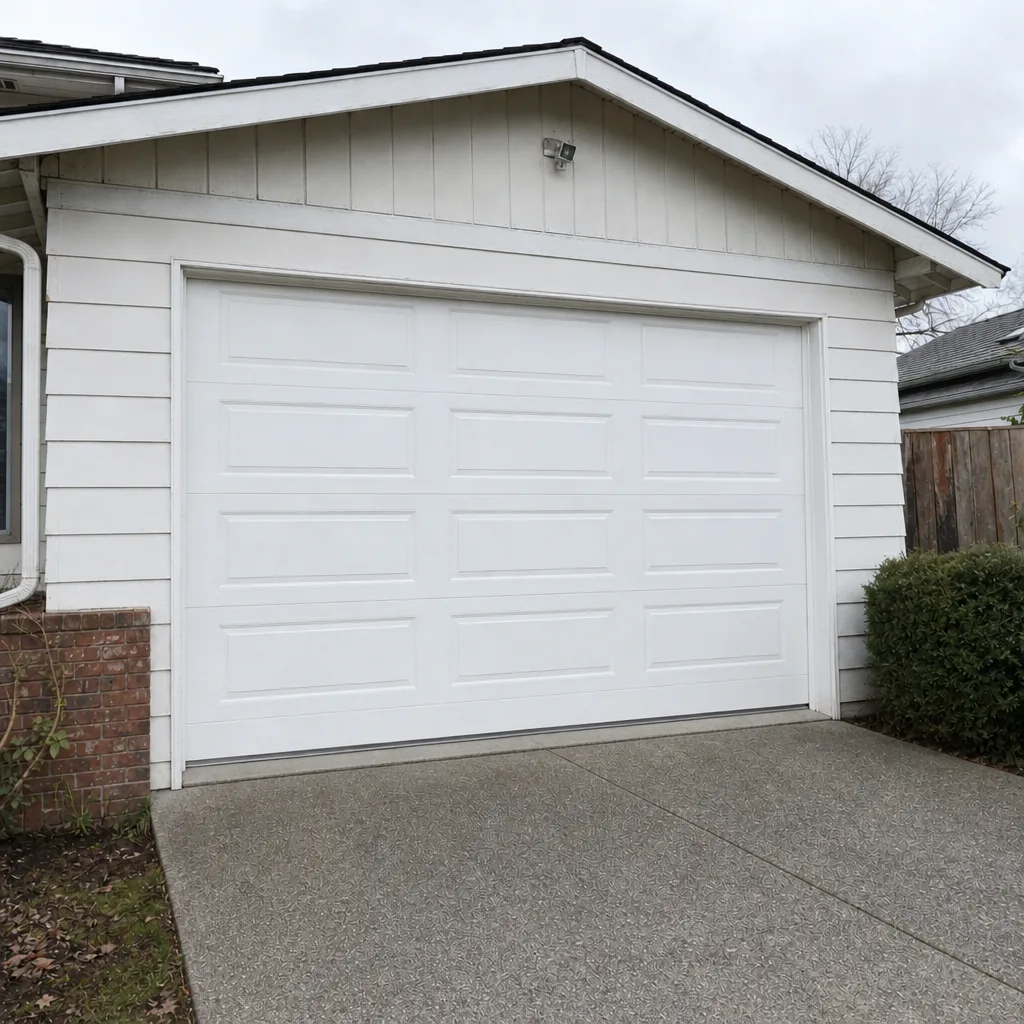 After
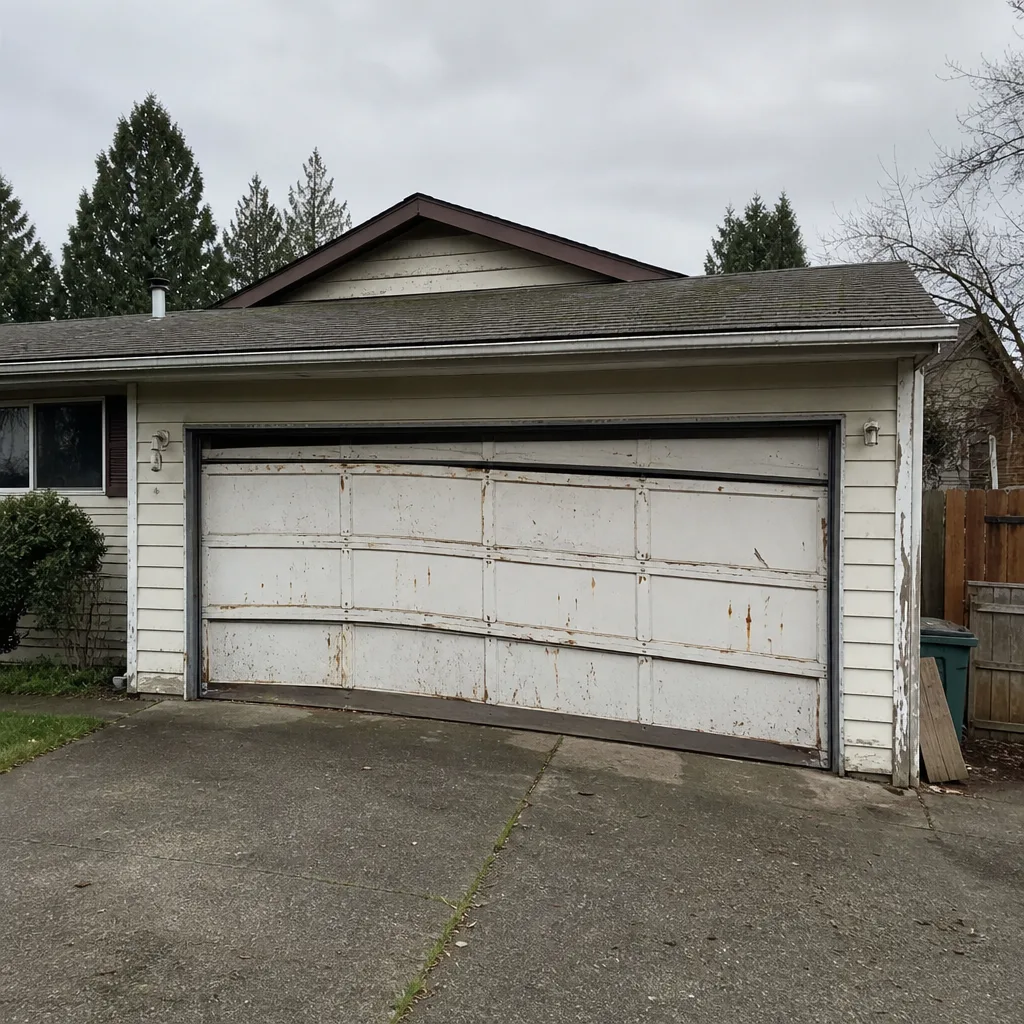 Before
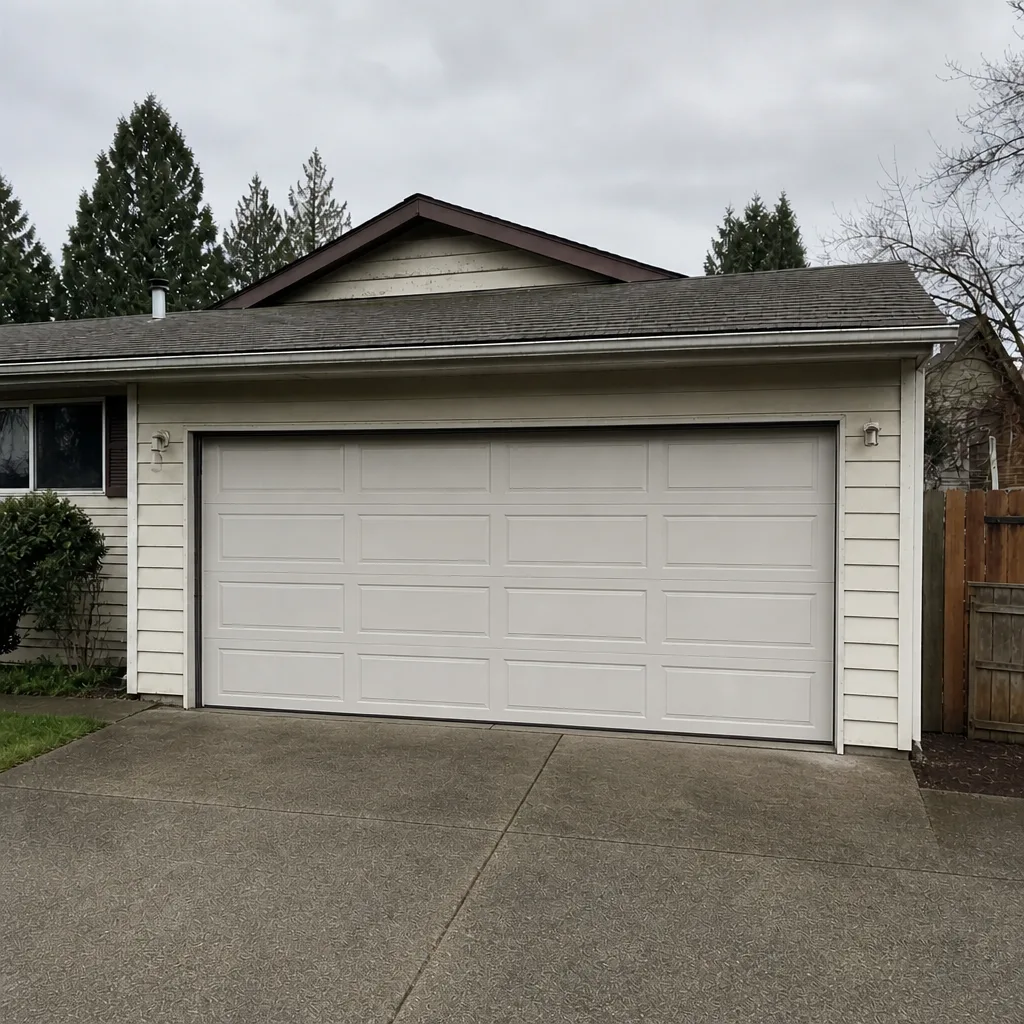 After
When to Call a Professional
Some garage door problems are maintenance-level. Some are not. The line is clear once you know where it is.
Call a professional when the door stops working safely or predictably – a spring snapped, the door is hanging crooked, the opener won’t respond, the safety reversal doesn’t work, or the door won’t open at all. Also call when you’re not sure whether a symptom is a repair or a symptom of something that needs replacement. We diagnose the actual failure; we don’t guess. Our technicians have up to 13 years of experience and they’ve seen these failures on every major brand – Raynor, LiftMaster, Chamberlain, Genie, Clopay, Amarr, Wayne Dalton, Craftsman.
Puyallup Garage Door Repair Pros offers free estimates in Puyallup. Call (844) 668-5460. We answer 24/7. Fast dispatch from 7am to 7pm, Sunday through Friday. If we diagnose a problem that requires a permit, we’ll tell you – we don’t sell permits and we don’t avoid them. We just make sure the repair happens correctly. If you’re searching for a specialist who works on your brand rather than a generalist, we’re a good first call.
Frequently Asked Questions
It depends on the garage: a door replacement on a bare, detached garage may not require a permit, while replacement on an attached, finished, or semi-conditioned garage in Puyallup can require one and trigger a Washington energy code review. Ask the City of Puyallup building department with the specifics of your garage before ordering a door. Call (844) 668-5460 for a free estimate on the repair side of the work, where the job is restoring what you have.
No. Spring replacement and opener repair are maintenance and repair of existing equipment, not new construction, and they generally don’t require a permit in Puyallup. That’s the bulk of what fails in local garages. Our spring and opener work is a repair-first operation and we don’t involve the city in normal repair jobs. Call (844) 668-5460 for a free estimate. We answer 24/7, fast dispatch from 7am to 7pm.
Washington’s energy code looks at the building envelope, and a garage door on a conditioned or semi-conditioned attached garage is part of that envelope. When you replace the door, the code may require the new door to meet an envelope standard that the old one didn’t. The review is the process of verifying that. Whether it applies to you depends on your garage – ask the city directly, and if the answer is yes, keep the door’s product documentation in your records.
It can be. A buyer’s inspector or the closing paperwork can surface a missing permit, and the resolution usually means time and money at exactly the wrong moment. Getting a written permit determination now – or filing the permit – avoids that scenario. Doing it right initially is cheaper than remediating during a sale negotiation.
The door’s attachment and operation, any structural framing work that was permitted, the safety reversal system and photo-eye sensors if there’s an opener, and whether the installed door matches the documentation. The inspection is usually brief when the work is visible and the safety systems function. Misaligned sensors and non-reversing doors are the two findings most likely to send you back for a re-inspection, so get them working before the appointment.
We connect Puyallup homeowners with local professionals who are licensed and insured as the state requires. Our focus is repair – doors, openers, and springs – which is the type of job that most often needs to happen today. If your project requires a permit, we’ll be candid that it’s a replacement or structural job rather than a repair. Call (844) 668-5460 for a free estimate. We answer 24/7. Fast dispatch from 7am to 7pm, Sunday through Friday.
The Bottom Line
Most garage door work in Puyallup doesn’t touch the city. Springs, openers, tracks, rollers, panels – all repair, all permit-free, and all the work we do. But the exceptions matter: replacing a door on a finished attached garage can bring an energy code review into the equation, and any change to the opening or header is a structural permit. The cost of confirming the answer before work starts is one phone call. The cost of skipping it surfaces at the sale table. If you’re facing a failed door, call us and let’s diagnose the actual problem. We work on your brand – Raynor, LiftMaster, Chamberlain, Genie, and four more – and we fix it rather than defaulting to replacement when repair is the right answer. Call (844) 668-5460 for a free estimate at Puyallup Garage Door Repair Pros. We answer 24/7. Fast dispatch from 7am to 7pm, Sunday through Friday, closed Saturday.
Written by the team at Puyallup Garage Door Repair Pros.