
Last updated November 20, 2026
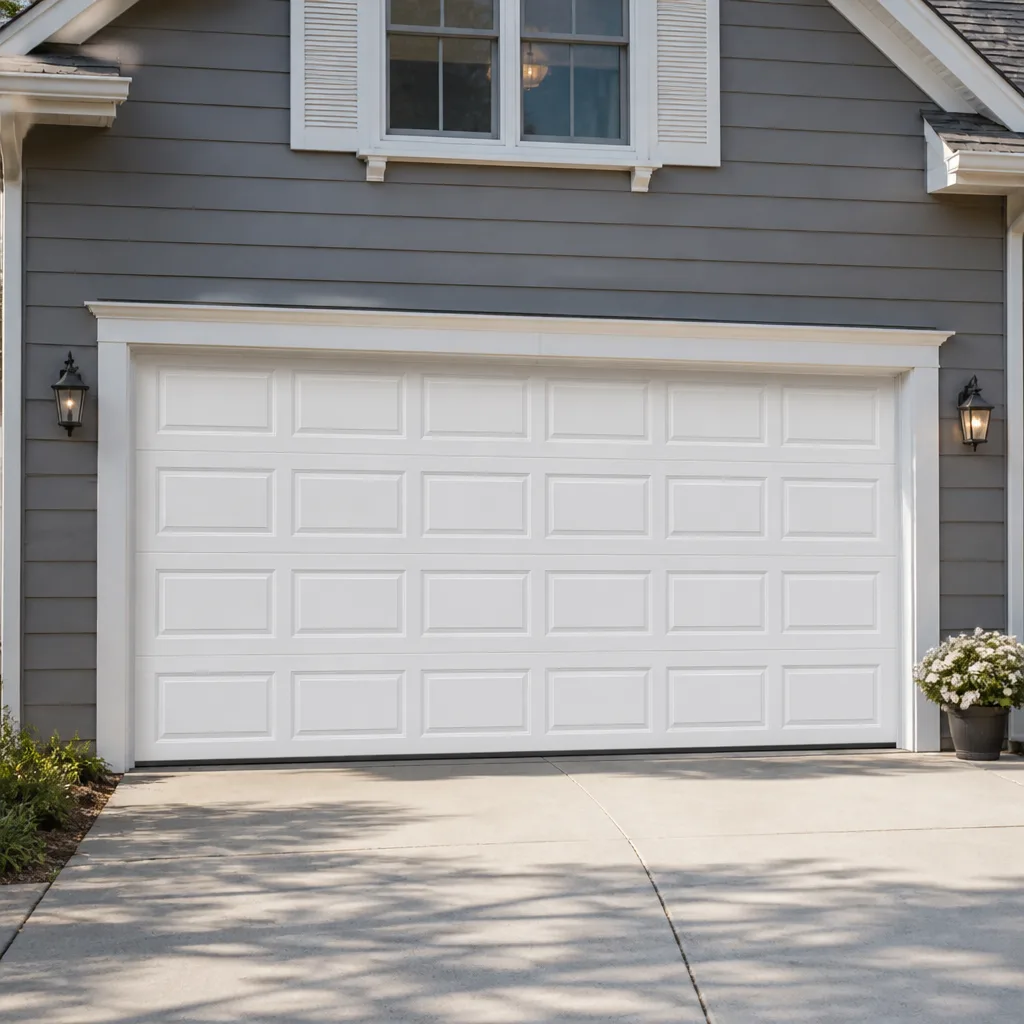 Raised-panel steel
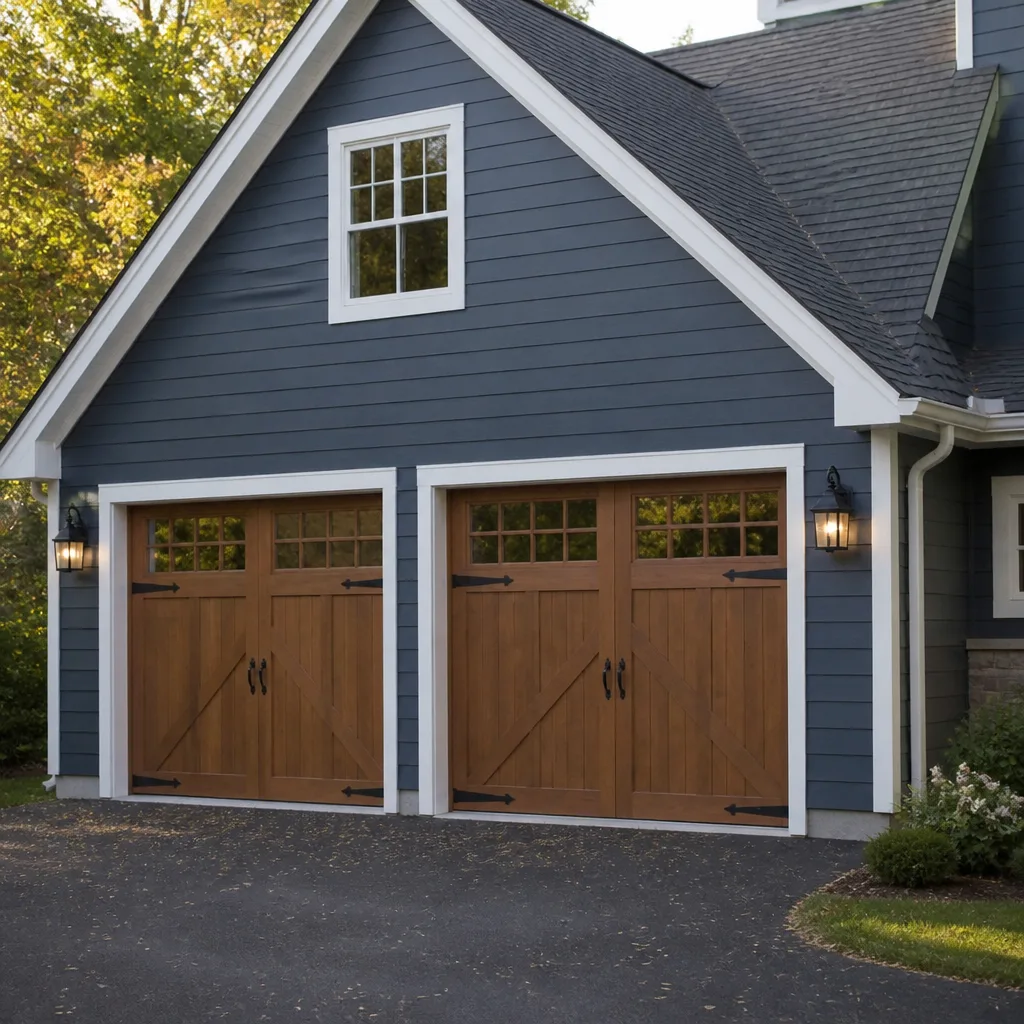 Carriage house
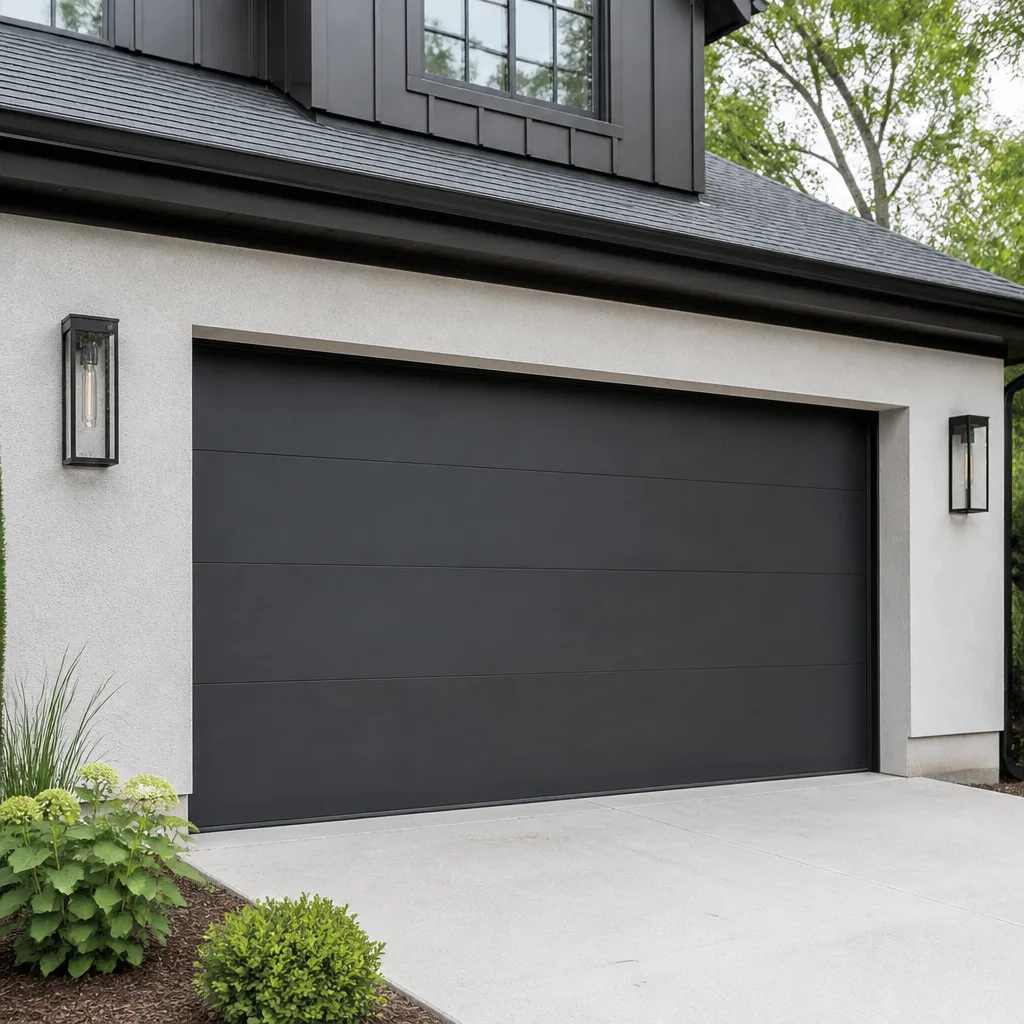 Modern flush
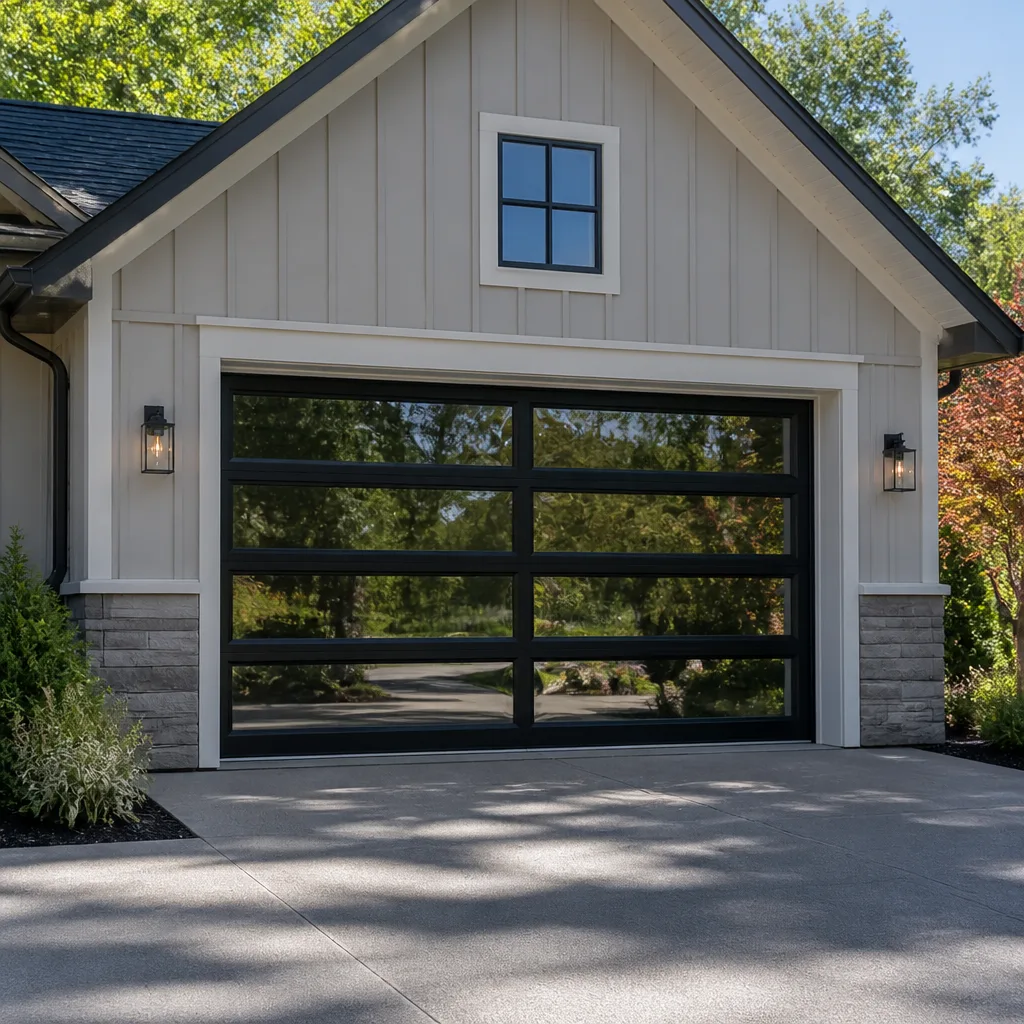 Full-view glass
 LiftMaster openers
 Chamberlain openers
Full 25-point door and opener safety check with every visit - springs, cables, rollers, tracks, and your LiftMaster or Chamberlain opener included
You get a price before we start. It does not change when the pro arrives.
Get your free estimateSeasonal Garage Door Care for Puyallup: Year-Round Homeowner’s Guide
Most seasonal garage door guides are written for a climate that Puyallup doesn’t have. They warn about summer heat warping panels and winter ice locking a door to the ground, and that advice bounces right off a Western Washington homeowner because our seasons don’t work that way. Here the real damage happens in the long wet stretch from October through March, and the door that fails in January was set up to fail back in October. This guide maps garage door care to Puyallup’s actual weather calendar month by month. You’ll learn what to inspect when, which tasks genuinely matter before the rain settles in, and which “annual maintenance” habits waste your time here. By the end you’ll know exactly what your door needs each season, and when a problem is beyond a homeowner’s toolkit.
Quick Answer
Garage door care in Puyallup should follow the wet-season calendar, not a generic annual checklist. The critical window is early fall, when you seal, lubricate, and check the bottom seal before ground saturation sets in for the winter. Spring is for undoing winter damage, summer is when heat and UV quietly degrade seals and stress openers, and winter is when freeze-thaw cycles shift tracks and stiffen springs. Match each task to its season and you prevent most failures instead of reacting to them.
Styles & brands we work with
- Raised-panel steel
- Carriage house
- Modern flush
- Full-view glass
- LiftMaster openers
- Chamberlain openers
Table of Contents
- Why Puyallup’s Climate Breaks the Generic Maintenance Calendar
- Fall: The Prep Window That Decides Your Winter
- Winter: Freeze-Thaw Failure Patterns Specific to Western Washington
- Spring: Undoing What Winter Left Behind
- Summer: The Deceptive Risks of Heat and Sun
- The Month-by-Month Puyallup Task Calendar
- Common Mistakes to Avoid
- When to Call a Professional
- Frequently Asked Questions
Why Puyallup’s Climate Breaks the Generic Maintenance Calendar
Puyallup sits in the Puyallup River valley, and that geography shapes how its weather hits a garage door. The valley collects moisture. Fog settles in low areas like the valley floor and the older neighborhoods near downtown on cool mornings, and that damp air lingers against metal and wood far longer than it would on higher ground. Winters here aren’t the deep, dry cold of the Midwest. They’re wet and mild, hovering near freezing, which means the freeze-thaw cycle runs constantly through January and February rather than locking everything in a single hard freeze.
That distinction matters more than most homeowners realize. A dry-cold climate stresses a door with contraction and brittle seals. A wet-cold climate like ours stresses it with moisture infiltration, repeated thawing that loosens hardware, and ground movement from saturated soil. The failure modes are different, so the maintenance has to be different.
Our housing stock adds another layer. Plenty of Puyallup homes have garages that face the weather head-on, and older doors in particular carry steel or wood that’s spent many seasons absorbing valley damp. If your home sits in a low pocket where morning fog lingers, treat every moisture-related task on this calendar as urgent rather than optional.
If you’ve read generic garage door advice and felt it didn’t apply, this is why. The rest of this guide is built for the valley, not for a national average.
Fall: The Prep Window That Decides Your Winter
October is when Puyallup garage doors begin the slide toward January failure. The rain arrives, the ground starts to saturate, temperatures drop, and every gap in your door’s moisture defenses gets tested at once. The prep window is narrow and most homeowners miss it because they’re thinking about gutters and leaves, not their garage door. Three fall tasks carry the most weight, and they should happen before the ground gets truly saturated, roughly late September into October.
Seal inspection comes first. Walk the full perimeter of the door and check the bottom seal, the side jambs, and the top. Look for cracks, gaps, flattening, or sections that have pulled away. The bottom seal is your door’s main defense against water wicking up from a wet slab, and a worn seal lets cold, damp air pour in all winter.
Bottom seal replacement before saturation. If the seal is cracked or compressed flat, replace it in the fall. Waiting until winter means working on wet ground and letting moisture into the garage for months. A fresh seal also reduces the draft that makes an attached garage feel cold.
Lubrication type swap for cold weather. This is the step almost everyone gets wrong. In summer, a general-purpose spray lubricant is fine. As temperatures fall, a heavier lubricant holds up better and doesn’t stiffen. Apply it to the hinges, rollers, and the torsion spring coils, not the tracks. Tracks stay dry; lubricant on the tracks attracts grit and causes the door to bind.
When a door is due for a real going-over rather than a quick inspection, garage door repair covers the mechanical adjustments that go with the seasonal check. Tighten every bolt you can reach, since the seasonal swing from warm to cool works fasteners loose. If the door shudders, squeals, or moves unevenly after your fall prep, note it and get it looked at before winter sets in.
Winter: Freeze-Thaw Failure Patterns Specific to Western Washington
Winter in Puyallup doesn’t freeze a door solid and leave it there. It thaws, refreezes, and thaws again, and that cycle is what damages hardware. A door that operated smoothly in November can start grinding, sticking, or refusing to close by January without anything visibly broken. Knowing the patterns helps you spot trouble early.
Bottom seals and track alignment shift together. When the ground saturates and then freezes, it moves slightly. That movement pushes against the slab the door sits on and can nudge the bottom of the track, throwing the door out of alignment. The symptom is a door that drags, binds, or leaves a gap at one corner when closed.
Cold contraction and spring tension. Steel contracts in cold weather, and springs lose a bit of their lift as temperatures drop. A spring that was already near the end of its life can fail in a cold snap. Never try to adjust, wind, or untangle a torsion or extension spring yourself. These springs are under extreme tension, and a mistake can cause serious injury. Springs are a job for a trained technician every time.
Opener strain. Cold, stiff grease in the opener’s moving parts makes the motor work harder, and a door that’s heavier in the cold stresses it further. A LiftMaster or Chamberlain opener that hesitates or reverses before closing in January is telling you the door has gotten harder to move.
If winter brings a snapped spring or a door that won’t respond, garage door spring repair is where the technical bar is highest, and it’s not a place for guesswork. Note the symptom, keep everyone clear of the door, and call.
Spring: Undoing What Winter Left Behind
Spring in Puyallup is the season for catching damage before it settles permanently. The wet winter leaves marks that a quick look won’t spot but that become real problems if ignored through summer. This is also the season when homeowners notice issues accumulated over months and mistake them for sudden failures.
- Check for rust acceleration and corrosion. Look along the bottom edge of steel doors, the hinges, rollers, and the spring hardware. The valley’s winter damp accelerates rust on untreated metal. Surface rust on a hinge is minor; rust that’s pitted the bottom panel of a Clopay or Amarr door needs attention before it spreads and compromises the panel.
- Check track alignment after frost heave. Satrated ground that froze and thawed over winter can shift the slab and knock tracks out of plumb. Open and close the door slowly and watch the gap between the door and the track on both sides. An uneven gap means the track has moved and needs realigning.
- Test springs after the cold contraction cycles. Open the door by hand, carefully and with the opener released. It should lift smoothly and stay where you leave it. A door that feels very heavy or slams down is signaling a spring problem.
- Recheck the bottom seal. Winter moisture may have split or curled the seal you replaced in fall. It’s normal wear in our climate, but a damaged seal in spring means summer humidity gets in next.
This is the season to confirm the opener still responds correctly as well. A Genie or LiftMaster unit that ran fine through winter can show weakness once the door is moving freely again. If the door travels unevenly or the opener reverses for no clear reason, that’s your cue to look at garage door opener repair rather than ignore it.
Summer: The Deceptive Risks of Heat and Sun
Summer feels like the safe season in Puyallup, and that’s exactly what makes it deceptive. The dry stretch lulls homeowners into skipping checks, while heat and UV quietly do their work. The problems here are slow and cumulative rather than sudden, which is why they slip past notice until fall.
Heat expansion in steel doors. A steel door in direct summer sun expands slightly. Panels can bow, and the fit against the frame can change so a door that closed cleanly in spring starts to catch. If a door in a sun-facing garage suddenly scrapes or needs a nudge to close, expansion may be the cause.
UV degradation of seals. Sunlight breaks down rubber and vinyl over time. The same bottom seal that handled winter moisture gets dried out and cracked by summer sun, especially on a west-facing garage. A seal that felt supple in spring can be brittle by August, which sets up the fall replacement you’ll need anyway.
Opener thermal shutoff in direct-sun garages. A garage door opener in an oven-hot garage can overheat and shut itself off, then work again once it cools. Homeowners often read this as a failing opener when it’s really a heat issue. Frequent summer shutdowns on a LiftMaster or Chamberlain unit are worth diagnosing before they turn into a failure.
Summer is a good time for a general opening-balance check when the door isn’t fighting cold. It’s also the best season to handle any repair you noticed in spring but put off, because working conditions are easier and the fix is done before fall.
The Month-by-Month Puyallup Task Calendar
Here’s the calendar to pin to the garage wall. It’s timed to the valley’s real weather rhythm, not a national average. This is Puyallup Garage Door Repair Pros territory, and this schedule reflects what we see as the seasons turn here. Some of these are homeowner tasks; any that involve springs or opener internals belong with a technician.
- September: Inspect bottom seal and perimeter for gaps. Watch for the first rain and check for water reaching the slab. Tighten visible bolts and hinges.
- October: Replace a worn bottom seal before ground saturation. Swap to cold-weather lubricant on hinges, rollers, and spring coils. Clear debris from the track area.
- November: Listen for new sounds each week and address them early. Confirm the opener’s safety reverse works. Keep the tracks dry and clean.
- December: Watch for binding or dragging as temperatures drop. Keep the driveway clear of wet leaves and grit near the door. Don’t force a stiff door; diagnose it.
- January: This is peak freeze-thaw month. Check track alignment after ground movement. Never adjust springs in cold. Note any hesitation in the door’s travel.
- February: Continue watching tracks and seals. Test the door by hand (opener released, carefully) to feel for spring weakness.
- March: Spring inspection: rust, track alignment, spring feel, seal condition. Book any repair noticed during winter before summer.
- April: Have any winter damage fixed. Confirm opener operation as the door loosens up. Recheck bolts loosened by the season’s temperature swings.
- May: Check the door’s balance and travel. Look at east- and west-facing seals for early sun wear.
- June: Inspect seals for UV drying and cracking, especially on sun-facing garages. Watch for panels bowing in heat.
- July: Be alert to opener thermal shutdown on hot days. Keep the garage ventilated if possible. Note any scraping from expansion.
- August: Final summer seal check. Confirm everything is sound before the fall prep window opens. Address any lingering repair now.
See the difference
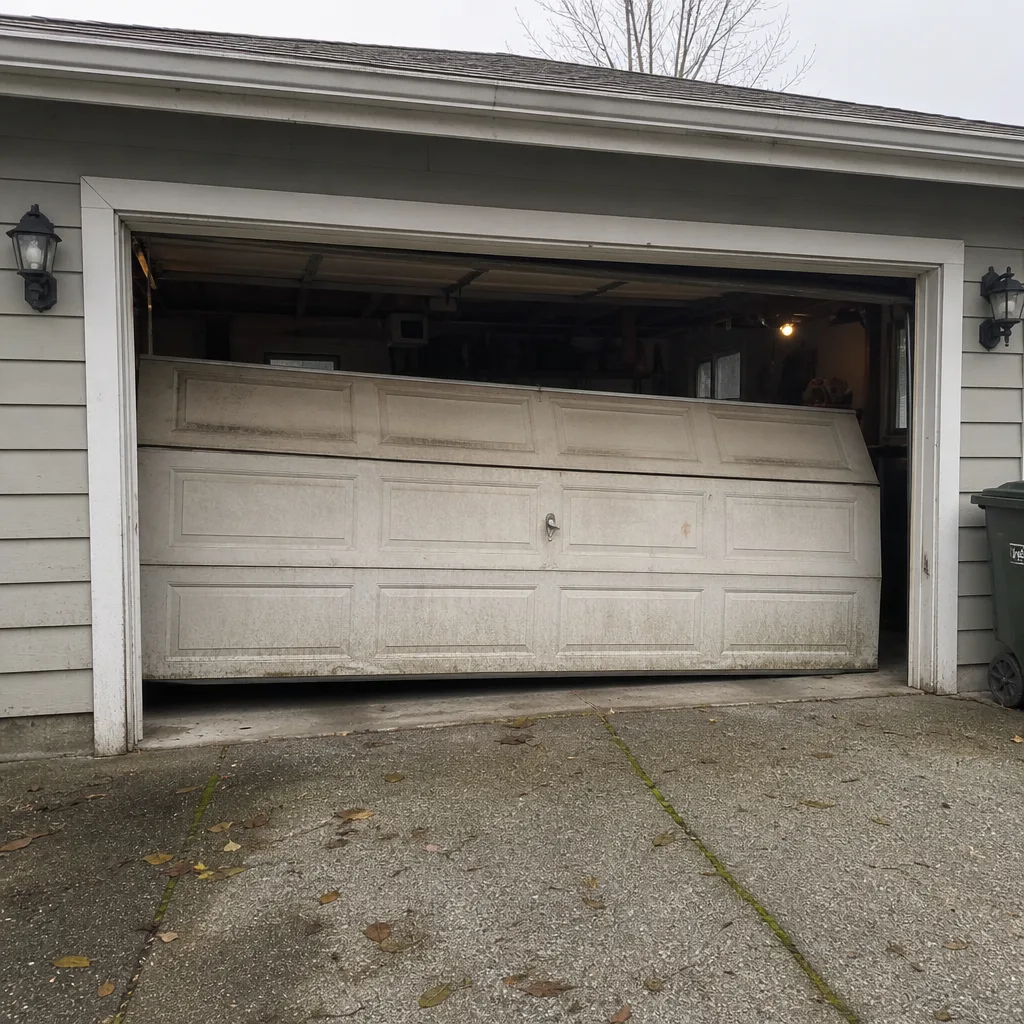 Before
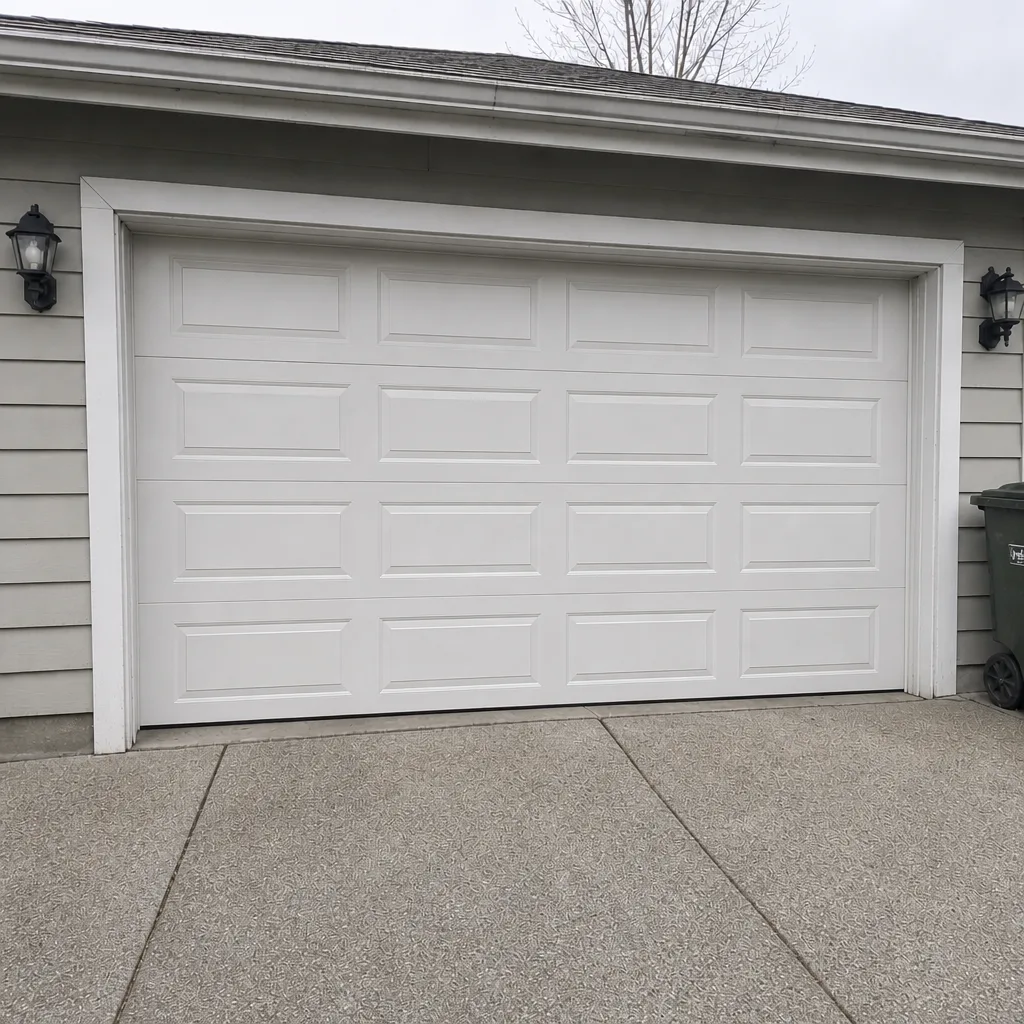 After
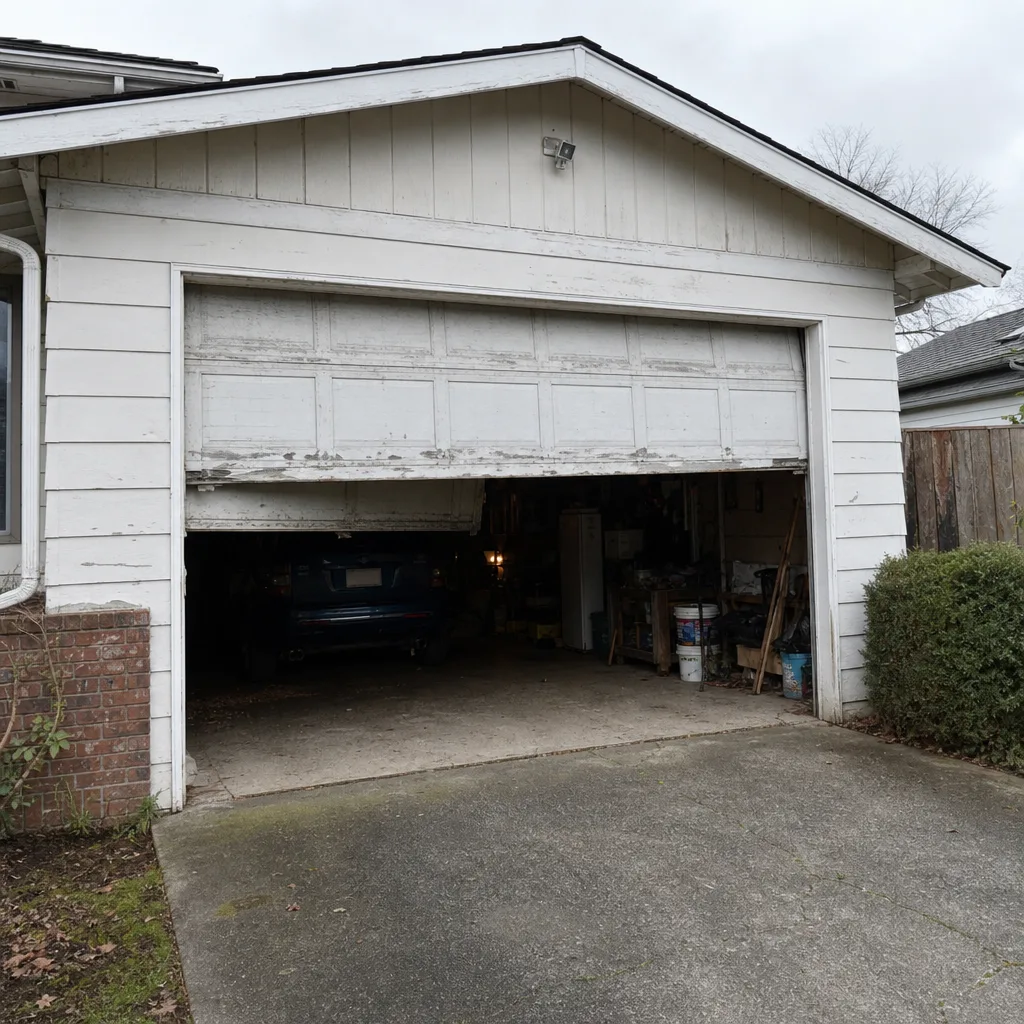 Before
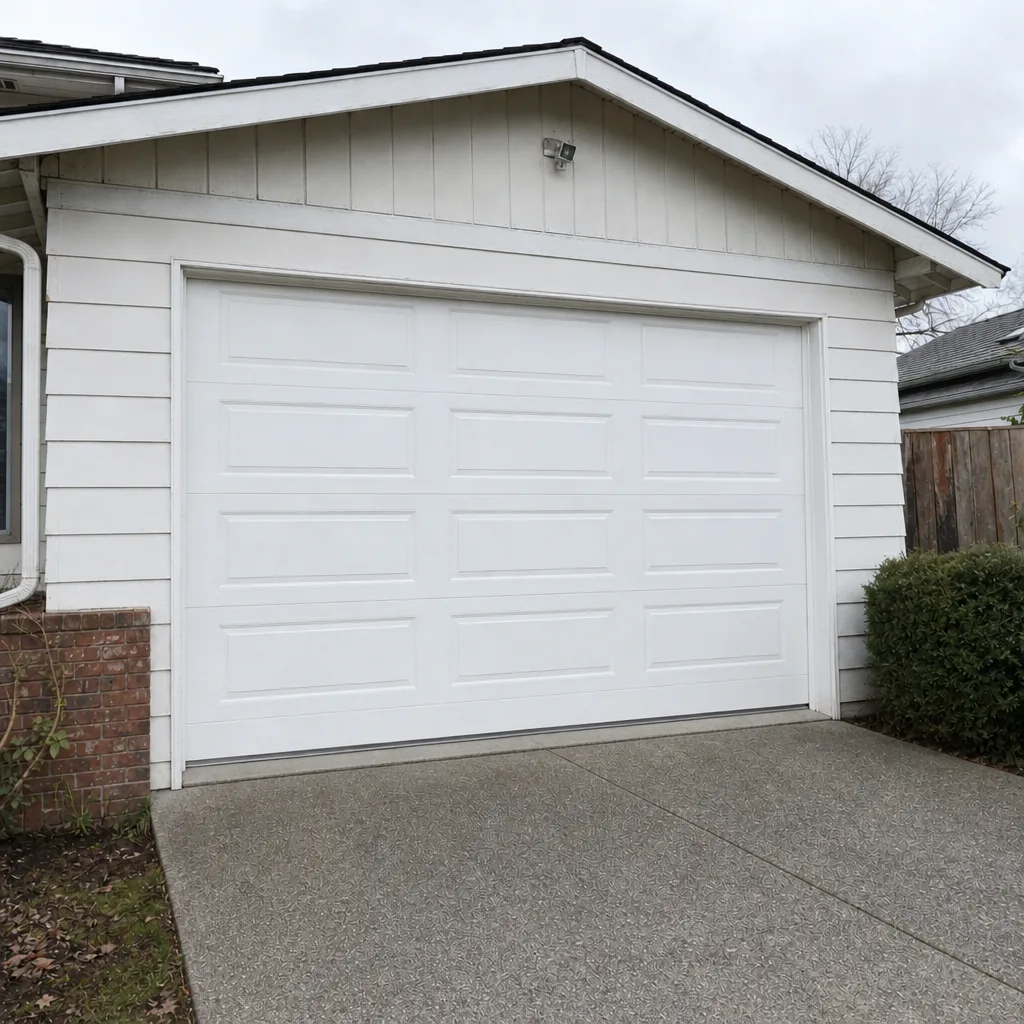 After
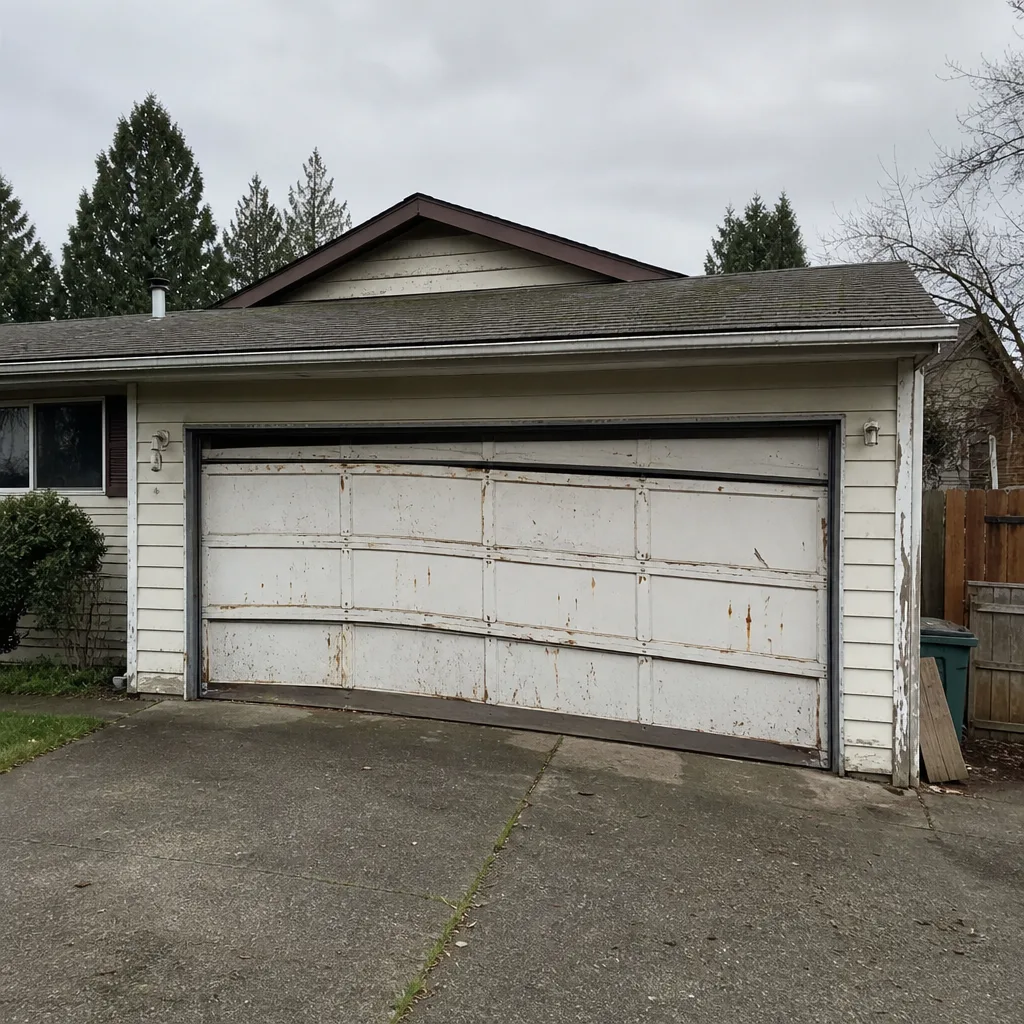 Before
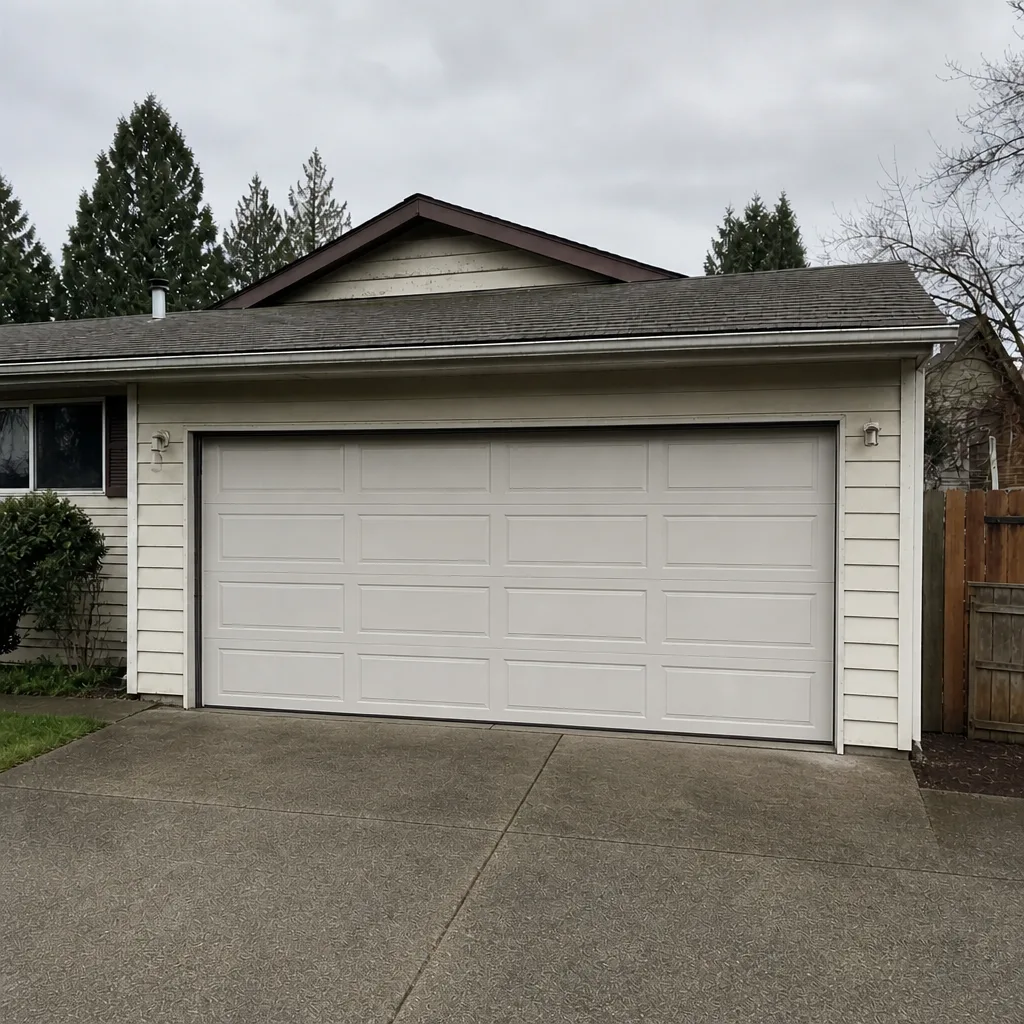 After
Common Mistakes to Avoid
- Applying lubricant to the tracks. Lubricant on tracks attracts grit and causes the door to bind; keep them dry and clean, and lubricate hinges, rollers, and spring coils instead.
- Replacing the bottom seal in winter instead of fall. Working on wet, cold ground in Puyallup lets moisture into the garage for months; get the seal replaced before the ground saturates.
- Ignoring the fall lubrication swap. Summer-weight lubricant stiffens in the cold, and a stiff door strains the opener all winter.
- Adjusting or untangling a garage door spring yourself. Torsion and extension springs are under extreme tension and can cause serious injury; this is the one task to never take on.
- Treating summer as maintenance-free. Heat expansion and UV seal damage build quietly here, so a season of skipped checks means a larger problem by fall.
- Forcing a door that’s binding or dragging after a cold snap. Forcing it can damage tracks, the opener, or the panels; stop and diagnose what’s actually wrong.
- Assuming a seasonal shutdown means the opener is failing. A summer thermal shutdown in a hot garage is often just heat, not a dead motor.
When to Call a Professional
Some seasonal care is a homeowner’s job: inspecting seals, lubricating moving parts, tightening bolts, and keeping tracks clean. Other situations call for a trained technician because they involve tension, alignment, or opener internals that can fail dangerously. Call when a spring looks stretched, snapped, or feels weak when you open the door by hand. Call when the door drags, binds, or leaves an uneven gap, which usually means track alignment shifted over winter. Call when your Raynor, Genie, Chamberlain, or LiftMaster opener hesitates, reverses without cause, or keeps shutting down in heat. And call immediately if the door only opens partway or won’t close at all, since that’s often a spring. Puyallup Garage Door Repair Pros offers free estimates in Puyallup – call (844) 668-5460. Our technicians have up to 13 years of experience, and we work on your brand, diagnosing the actual failure rather than defaulting to a replacement.
Frequently Asked Questions
Plan on seasonal checks four times a year, timed to the wet-season calendar rather than a single annual service. The most important check is the fall prep in late September and October, before the ground saturates, followed by a spring inspection to catch winter damage. Summer needs a look at seals and heat expansion, and winter needs weekly listening for new sounds. Call (844) 668-5460 for an exact quote if you’d rather have a technician assess it – estimates are free.
Failures cluster in winter because the freeze-thaw cycle runs constantly here instead of locking in a single hard freeze. Saturating ground moves slightly when it freezes and thaws, which shifts track alignment, and cold contraction weakens springs that were already near the end of their life. Cold, stiff grease also strains the opener. That’s why the prep you do in October has so much to do with whether your door makes it through January.
Replace a worn bottom seal before the rainy season, in late September or October, so the seal is in place before the ground gets saturated. A damaged seal during the wet months lets moisture into the garage for months and leaves you with a bigger problem by spring. It’s one of the highest-value seasonal tasks in this climate.
Probably not – a garage door opener in a direct-sun garage can overheat and shut itself off, then work again once it cools. Frequent shutdowns are worth diagnosing though, because they can mask a heavier door or a tired motor underneath. If it keeps happening, call (844) 668-5460 for an exact quote – estimates are free.
No. Torsion and extension springs are under extreme tension and can cause serious injury if handled wrong, so spring checks are limited to watching and listening for symptoms. Never try to adjust, wind, or untangle a spring. Once they’re done for the season, garage door spring repair is a job for a trained technician – call (844) 668-5460 for an exact quote, and estimates are free.
Stop using the door and keep everyone clear of it, then note the symptoms – does it open only partway, drag, or not move at all. Don’t force a binding door, since that can damage tracks and panels. Most cold-snap failures are spring or track issues that a technician can diagnose. Call (844) 668-5460; we answer 24/7, with fast dispatch from 7am to 7pm, Sunday through Friday.
The Bottom Line
Seasonal garage door care in Puyallup works best when it follows the valley’s real weather calendar instead of a generic annual checklist. The fall prep window in late September and October decides your winter, so seal, lubricate, and swap to cold-weather lubricant before the ground saturates. Winter brings freeze-thaw track shifts and tired springs; spring is for undoing that damage with rust, alignment, and spring checks; summer hides slow heat and UV wear. Follow the month-by-month calendar, avoid the common mistakes, and leave springs and opener internals to a technician. The door that lasts is the one you look after a season ahead of the failure.
When something needs more than a homeowner’s inspection, Puyallup Garage Door Repair Pros offers free estimates and works on your brand across LiftMaster, Chamberlain, Genie, Raynor, and more. Our technicians have up to 13 years of experience, and we diagnose the actual failure before recommending any work. Call (844) 668-5460. We answer 24/7. Fast dispatch from 7am to 7pm, Sunday through Friday.
Written by the team at Puyallup Garage Door Repair Pros.