
Last updated November 20, 2026
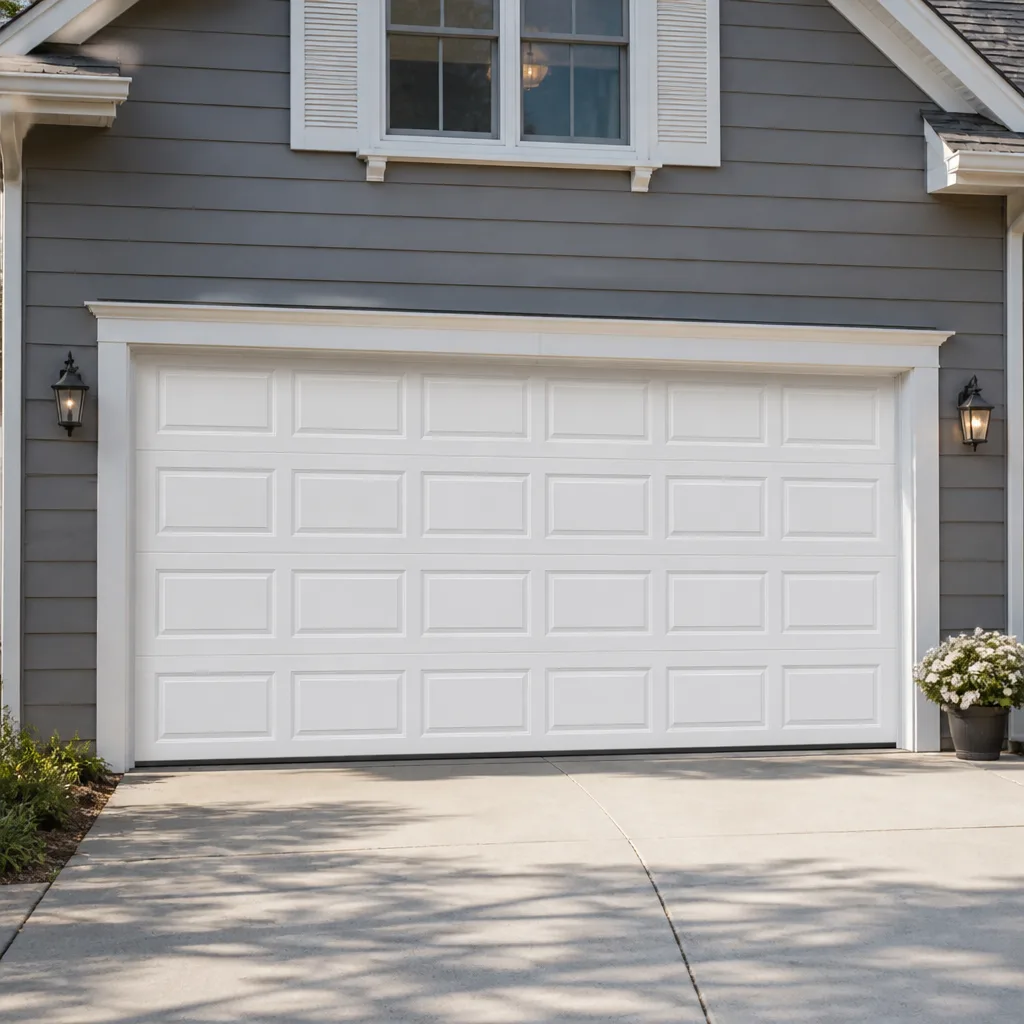 Raised-panel steel
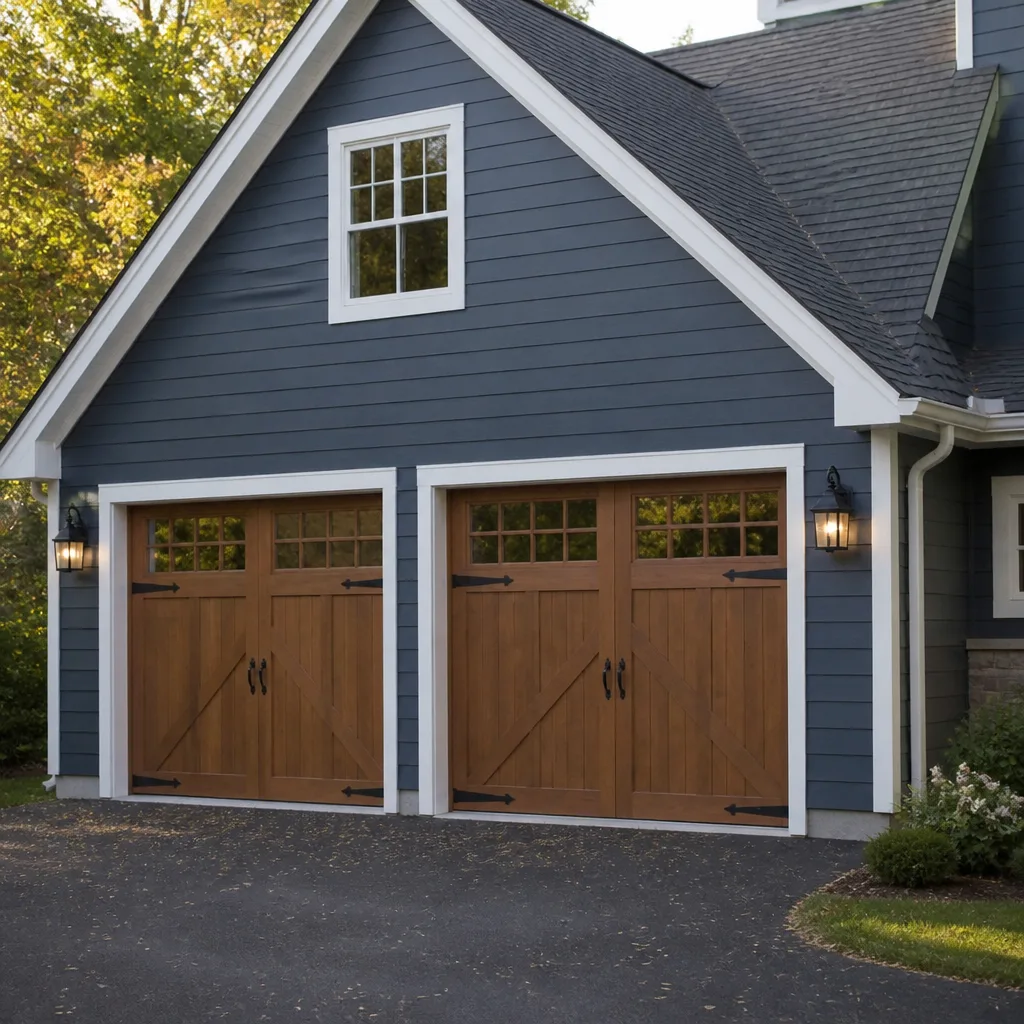 Carriage house
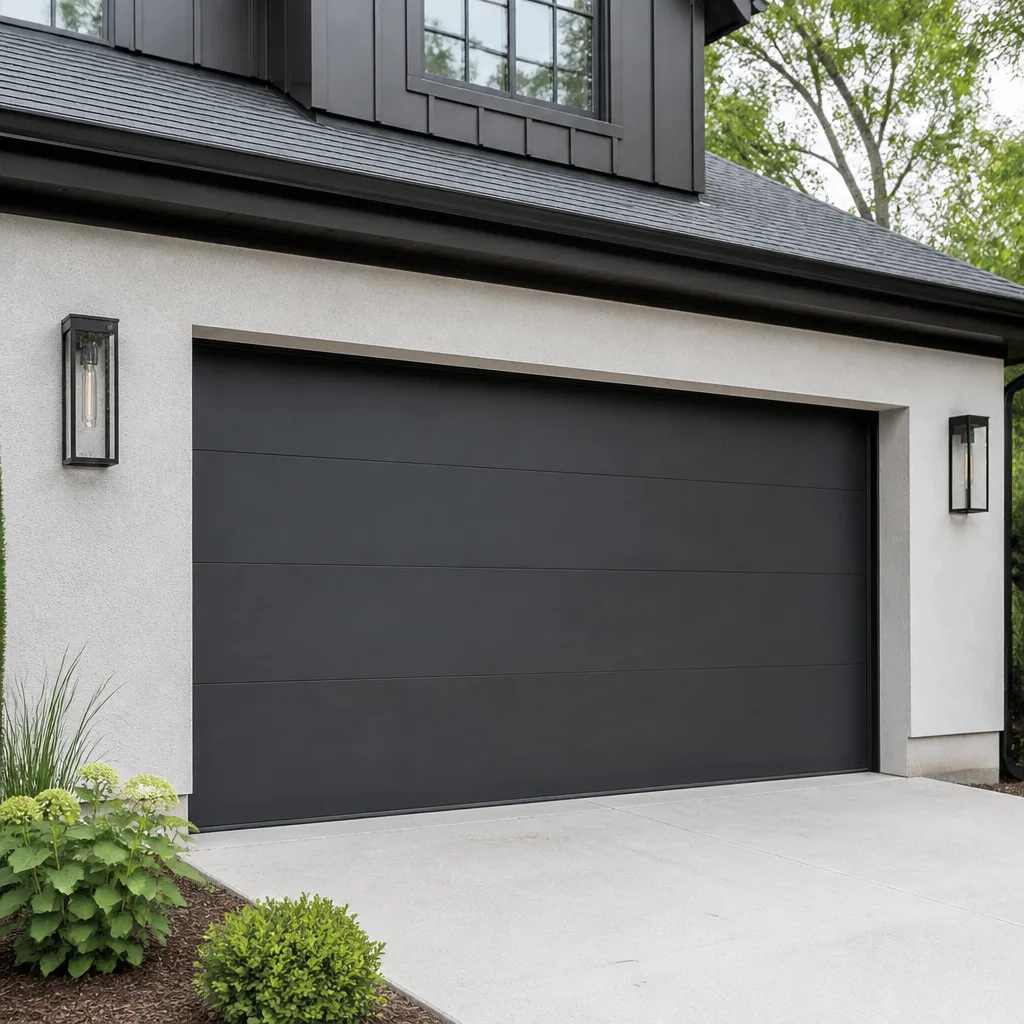 Modern flush
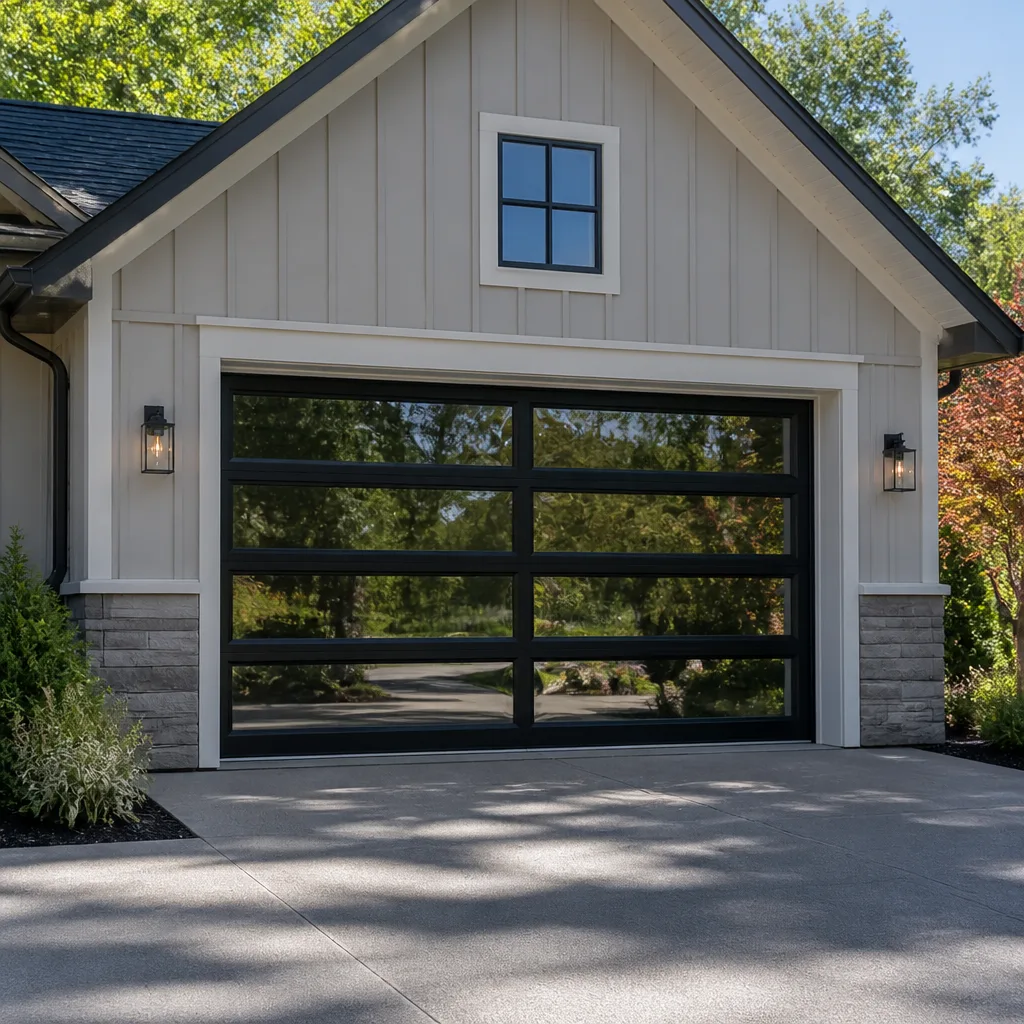 Full-view glass
 LiftMaster openers
 Chamberlain openers
Full 25-point door and opener safety check with every visit - springs, cables, rollers, tracks, and your LiftMaster or Chamberlain opener included
You get a price before we start. It does not change when the pro arrives.
Get your free estimateGarage Door Warning Signs: A Puyallup Homeowner’s Reference Guide
Two garage doors can make noise on the same afternoon and need completely different responses. One is a nuisance you can schedule for next week. The other is a door you shouldn’t open again until someone qualified has looked at it. Most warning-sign articles treat every symptom the same, which leaves homeowners either panicking over a squeaky roller or, worse, running a door with a fraying cable because it “still works.” This guide gives you a triage system: which signs mean stop now, which mean book a repair within the week, and which mean keep an eye on it. You’ll learn what specific sounds point to specific components, what visible wear signals imminent failure, and which symptoms are tied to Puyallup’s wet climate versus ordinary mechanical wear. Our technicians have up to 13 years of experience, and we work on the brands most Puget Sound garages actually have: LiftMaster, Chamberlain, Genie, Clopay.
Quick Answer
Stop using your garage door immediately if it reverses without obstruction, if a torsion spring has broken (a loud pop followed by a door that won’t lift), or if you can see a frayed or kinked cable. Schedule a repair within a week for grinding noises, slow or uneven travel, and opener lights that flash instead of moving the door. Squeaks, minor vibration, and cosmetic wear can wait for your next maintenance check. In Puyallup, our damp climate accelerates rust and lubrication loss on rollers, cables, and springs, so moisture-related symptoms show up earlier here than in drier regions.
Styles & brands we work with
- Raised-panel steel
- Carriage house
- Modern flush
- Full-view glass
- LiftMaster openers
- Chamberlain openers
Table of Contents
- The Three-Tier Triage: Stop, Schedule, Monitor
- What Each Sound Tells You About the Component
- Visual Signs That Failure Is Imminent, Not Just Possible
- Opener Behavior: Motor Wear vs. Sensor vs. Logic Board
- Puyallup Climate Symptoms vs. Ordinary Mechanical Wear
- How to Diagnose a Garage Door Problem Safely
- Common Mistakes to Avoid
- When to Call a Professional
The Three-Tier Triage: Stop, Schedule, Monitor
Here’s the core of this guide: not every warning sign carries the same urgency, and treating them all the same wastes money or invites a dangerous failure. Sorting symptoms into three tiers helps you decide what to do in the next five minutes versus the next two weeks.
Tier 1: Stop Using the Door Now
These are safety issues. A door that reverses for no reason, one that won’t stay up, or one with visible cable damage should not be operated until it’s inspected. Continuing to run a door in this state risks a sudden drop or a cable snapping under load. Torsion springs and cables are the high-tension parts of the system, and a failure here can cause serious injury. This is not a do-it-yourself repair. A trained technician understands the tension involved and the tools required to release it safely.
- A loud pop from above the door, followed by a door that won’t lift – a broken torsion spring
- Visible fraying, kinks, or slack in either cable
- A door that reverses before touching the floor, with nothing in its path
- A door that falls fast or slams instead of closing at a controlled pace
- A door hanging crooked or one side visibly lower than the other
Tier 2: Schedule a Repair Within a Week
These problems won’t fail catastrophically tomorrow, but they will get worse and cost more if ignored. Grinding, slow travel, intermittent opener behavior, and uneven movement belong here. A Puyallup homeowner with a grinding door should book it in now rather than wait for a total breakdown. When the door is in the middle of a failure, we aim to have it back in service today where the schedule allows.
Tier 3: Monitor at Your Next Maintenance Check
Squeaks, minor vibration, cosmetic dents, and weather-strip wear can wait. Address them at your next scheduled tune-up. Fixing a squeaky roller early is cheaper than replacing a worn track later, but neither requires urgency.
What Each Sound Tells You About the Component
Sounds are the most useful diagnostic clue a garage door gives you, if you know what to listen for. The key is matching the sound to the component that produces it, because a torsion spring pop and a failing roller bearing sound nothing alike once you’ve heard both. Our technicians diagnose by sound and by feel every day, and the distinctions below are the ones that matter most.
The Torsion Spring Pop
A torsion spring failure produces a sharp, sudden pop – like a heavy metal rod snapping – followed by silence and a door that won’t lift. If you hear that pop, don’t try the door again. The spring that carries the door’s weight has broken, and the door’s full weight now rests on the opener and cables. In Puyallup’s damp air, springs rust and weaken over time, so a spring that’s nearing the end of its life can fail with little warning.
The Roller Bearing Grind
A failing roller bearing produces a steady grinding or rumbling sound as the door travels. It usually gets louder over weeks, not hours. This is a Tier 2 symptom: schedule it soon. Worn rollers also cause the door to track unevenly, which wears the tracks themselves.
The Cable Fray Creak
A fraying cable often makes a creaking or scraping sound, and you may see the strands separating at the drum or the bottom bracket. That’s a Tier 1 stop sign. A cable under tension that frays further can snap. Our garage door repair service covers cable replacement, which is a job for a trained technician because of the tension involved.
One thing worth knowing: a single loud bang followed by a door that works fine can still mean a spring has partially failed or a cable has slipped. Get it checked rather than assuming the noise was nothing.
Visual Signs That Failure Is Imminent, Not Just Possible
Visual inspection catches problems before they become emergencies, but only if you know what “imminent” looks like versus “watch it.” A little surface rust is cosmetic. A cable with visible broken strands is a hazard. Here’s how to tell the difference during a quick monthly look.
Imminent Failure Signs
- Cables with separated or broken strands – this is the clearest imminent-failure sign. Don’t run the door.
- A visible gap in a torsion spring coil – often means the spring has already broken.
- Cables that are slack or off the drum – the door isn’t balanced and could drop.
- Hinges or brackets that have become loose from repeated vibration – a loose bracket lets the door twist and stresses the tracks.
Watch-It Signs
- Surface rust on the door hardware, expected in Puyallup’s climate but not yet structural
- Light scuffing on the tracks where rollers drag
- Weather-strip that’s flattened or cracked – a comfort and moisture issue, not a safety one
- Minor cosmetic dents in a Clopay or Amarr panel that don’t affect operation
If you’re looking at a door that’s uneven, hanging low on one side, or reversing unexpectedly, that’s the point where you should stop opening it and get it inspected. Our garage door spring repair technicians handle the high-tension parts, and a spring or cable problem here is not something to work out on your own.
Opener Behavior: Motor Wear vs. Sensor vs. Logic Board
An opener that misbehaves can be a worn motor, an out-of-line sensor, or a logic board issue, and each has a different repair cost and urgency. Distinguishing them saves you from replacing an opener you only needed to adjust. Owners of a LiftMaster or Chamberlain unit can usually narrow the problem down by watching a few specific patterns.
Motor Wear Patterns
- The opener strains or slows under the door’s weight
- It works on some days and not others, especially in cold weather
- You hear the motor run but the door moves slowly or stalls
Motor strain often is not a motor problem at all – it can mean the door is out of balance and the opener is doing work the springs should be doing. Our garage door opener repair technicians check the door’s balance before deciding the motor needs attention.
Sensor Misalignment Patterns
- The opener light flashes and the door won’t close
- The door closes partway, then reverses
- It happens on sunny days more than overcast ones (light hitting the sensors)
Sensor misalignment is usually the easiest fix, but Puyallup’s wet winters can fog or dirty the lenses, which mimics a misalignment. Quick check: clear the lenses and see if the symptom clears.
Logic Board Issues
- The door works from one remote but not another
- It opens but won’t close, or the wall button behaves inconsistently
- Random movements with no remote being pressed
A logic board issue can mimic a sensor problem, so a proper diagnosis matters. For a Genie or Craftsman opener with these symptoms, we troubleshoot the control side before recommending any part. If the whole opener is the problem, we’ll say so – and tell you why – rather than pushing a replacement.
Puyallup Climate Symptoms vs. Ordinary Mechanical Wear
Puyallup sits in a wet part of the Puget Sound region, and that affects your garage door in ways that homeowners from drier areas don’t see. Some wear here is climate-driven and shows up earlier than the books say; some is the same mechanical wear every door experiences. Knowing which is which helps you decide whether a symptom is a warning sign or just normal wear.
Climate-Driven Symptoms We See in Puyallup
- Rust on springs and cables – damp air accelerates corrosion on the tension parts, which shortens spring life.
- Stiff, dry rollers – the temperature swings between wet winters and dry summers work lubrication out of metal rollers faster here.
- Sticking or squeaking hinges – moisture, then heat cycles, makes plain steel hinges noisy.
- Wooden door swelling – a wood door can swell slightly in the wet months, making a smooth-gliding door start to bind.
If your door works fine in August but binds every January, that’s a climate pattern, not a failure. Schedule it in during the wet months when it’s binding, not after it stops working.
Ordinary Mechanical Wear
Roller bearing wear, opener gear wear, spring eventual fatigue, and cable wear under normal use are universal. These happen on every door over time, wet or dry. A grinding roller in Puyallup is the same as a grinding roller anywhere – it’s worth a repair call, just not an emergency.
One local note for homeowners in the valley: garages that stay cooler and damper, like those on the lower ground around the Puyallup valley floor, tend to show rust symptoms sooner than garages on higher, drier sites. A glance at your lower door hardware and springs tells you fairly quickly which of these patterns you’re dealing with.
How to Diagnose a Garage Door Problem Safely
You can safely check a surprising amount from the ground, and doing so helps a technician (and you) understand the problem faster. Follow these steps in order, and stop at the first Tier 1 sign. Never reach over, under, or into the door’s moving parts or try to work on a spring or cable yourself.
- Test the door’s balance by hand only when the door is closed. With the opener disconnected (using the manual release), lift the door about halfway. A properly balanced door holds its position. A door that drops or rises on its own is out of balance – a Tier 2 sign that points to a spring issue.
- Look at both cables. Check for slack, kinks, or broken strands at the drum and the bottom bracket. Any cable damage means stop and call.
- Look at the springs. On a torsion spring above the door, a visible gap in the coil means it’s broken. On extension springs, look for stretched or separated coils.
- Watch the door travel from a safe distance. A door that moves unevenly, jerks, or reverses is a sign to stop running it.
- Check the sensors. If the door won’t close, look at the sensor lenses (small lights near the floor) – are they lit, and are they clear of dirt or fog?
- Listen as it moves. Bearing grind, creaks, and rumble are all diagnostic. Write down what you hear and when it happens so the technician has a starting point.
If you get to a point where a problem is beyond eyeballing, our technicians can diagnose the actual failure. Our Garage Door Repair Pros team works on doors, openers, and springs every day, and we come out knowing the quirks of the common brands rather than starting from zero.
Common Mistakes to Avoid
- Running a door with a broken spring “because it still opens.” If the spring has snapped, the opener is now lifting the door’s full weight, and it will eventually fail under that load. Stop using the door.
- Greasing a torsion spring or cable. Lubrication helps rollers and hinges but does nothing for a spring under tension, and it can attract grit to a cable. Don’t guess at which parts need grease.
- Assuming a grinding sound is “just the door.” A grinding roller or track wears the rest of the system faster. In Puyallup’s damp months, the wear moves quicker than you’d expect.
- Confusing a sensor problem with a bad opener. A flashing opener light and a door that won’t close almost always mean sensor alignment or dirt, not a failed motor. Check the sensors before pricing a new opener.
- Ignoring a door that reverses. A door that reverses with nothing in its path is a safety issue. Don’t treat it as a quirk to live with.
- Adjusting the torque or tension yourself. Torsion springs and cables carry real force. Reaching in to tighten or loosen them is how serious injuries happen.
- Replacing a whole door when a repair would do. Before assuming you need a new door, get a proper diagnosis – a lot of “dead” doors are a spring or opener repair away from working again.
When to Call a Professional
Call a professional if any Tier 1 sign is present: a reversing door, a broken spring, cable damage, or a door hanging unevenly. Also call if a grinding or slow-travel problem has been getting worse for weeks, if the opener behaves inconsistently, or if you’ve had the door balanced and it still binds. Same-day service is often possible on repair calls, and every job gets a written estimate of the price before any work starts, so there’s no surprise bill. Our technicians have up to 13 years of experience, and we work on the LiftMaster, Chamberlain, Genie, and Clopay systems we see across Puyallup. Puyallup Garage Door Repair Pros offers free estimates in Puyallup – call (844) 668-5460. We answer 24/7, with fast dispatch from 7am to 7pm, Sunday through Friday.
See the difference
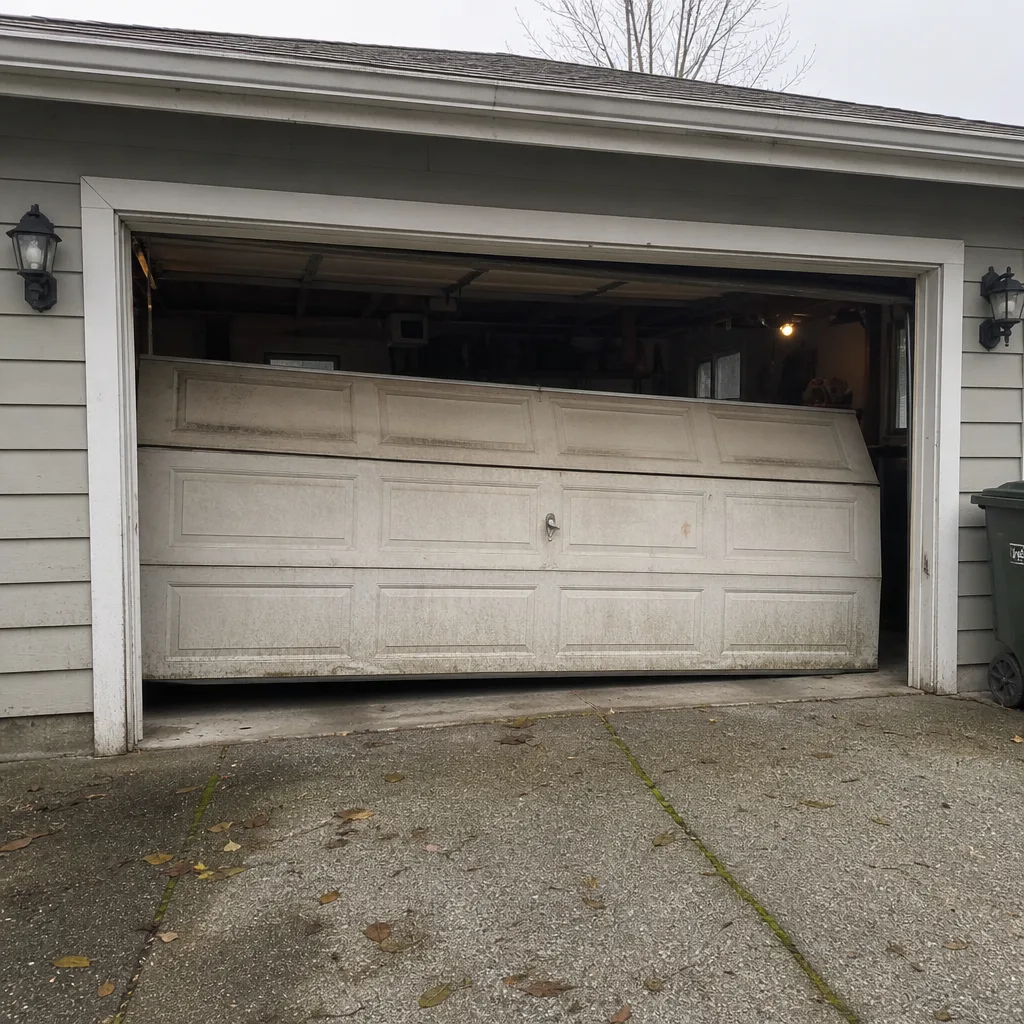 Before
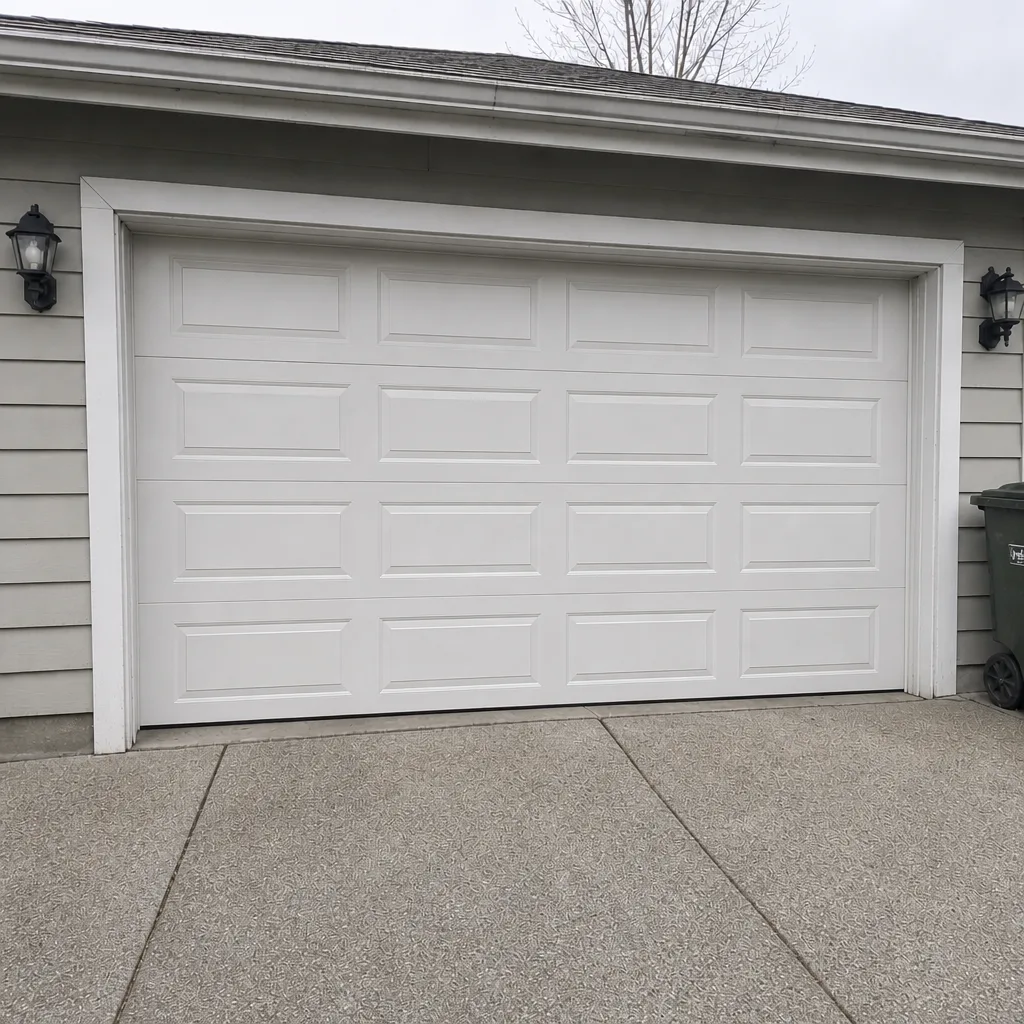 After
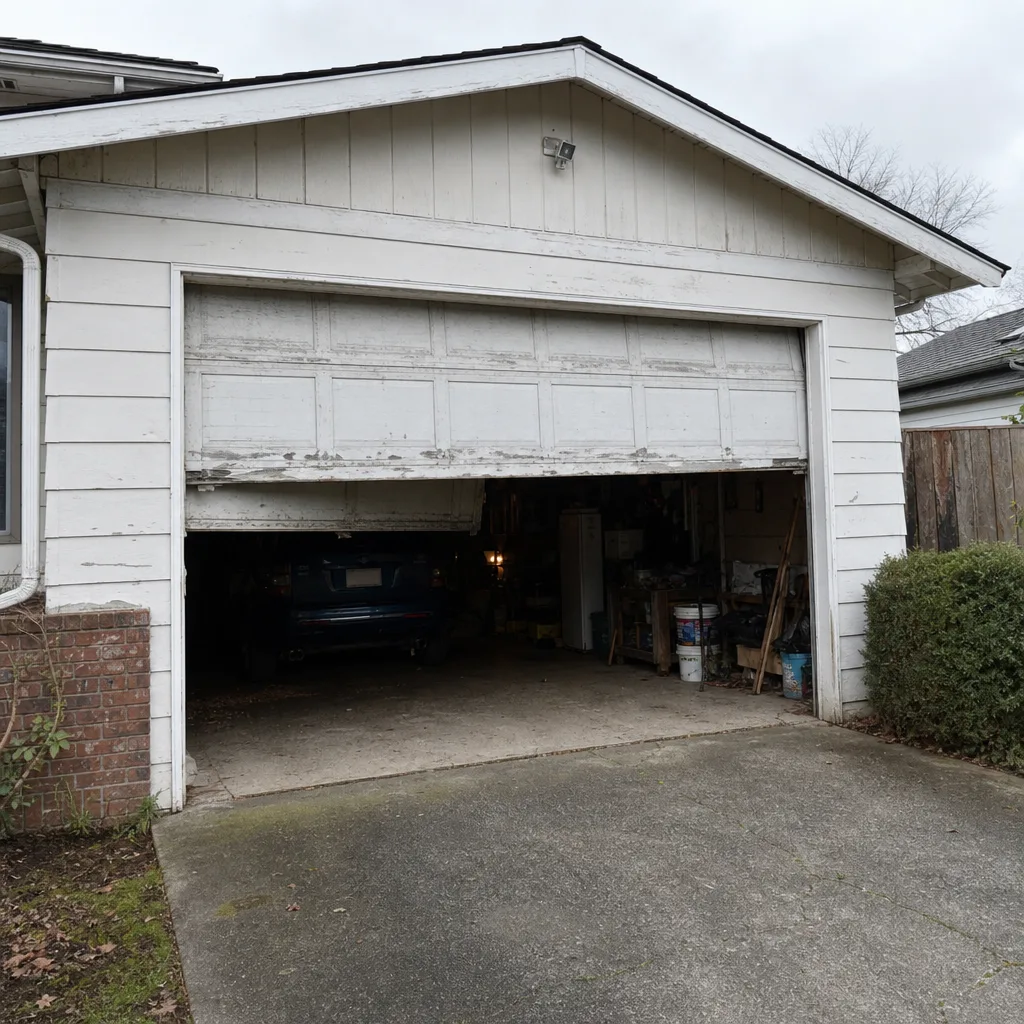 Before
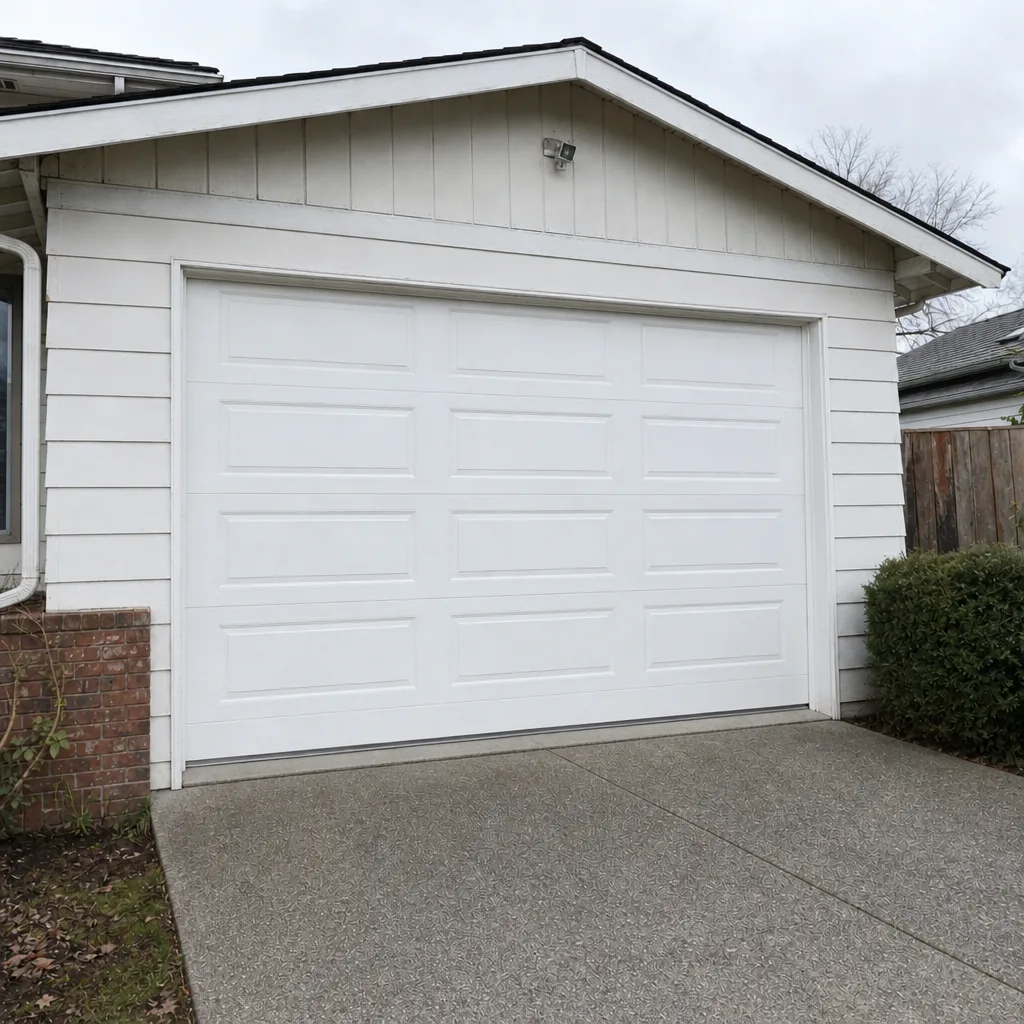 After
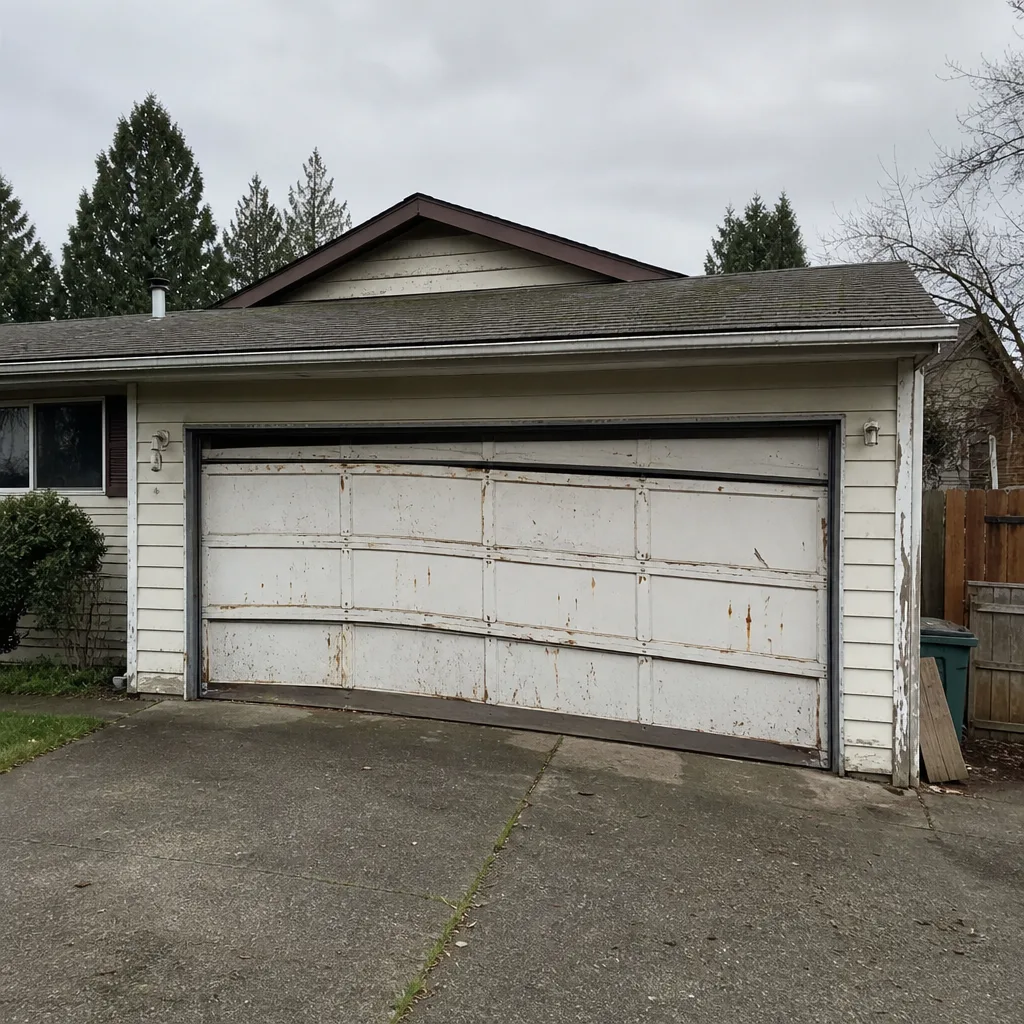 Before
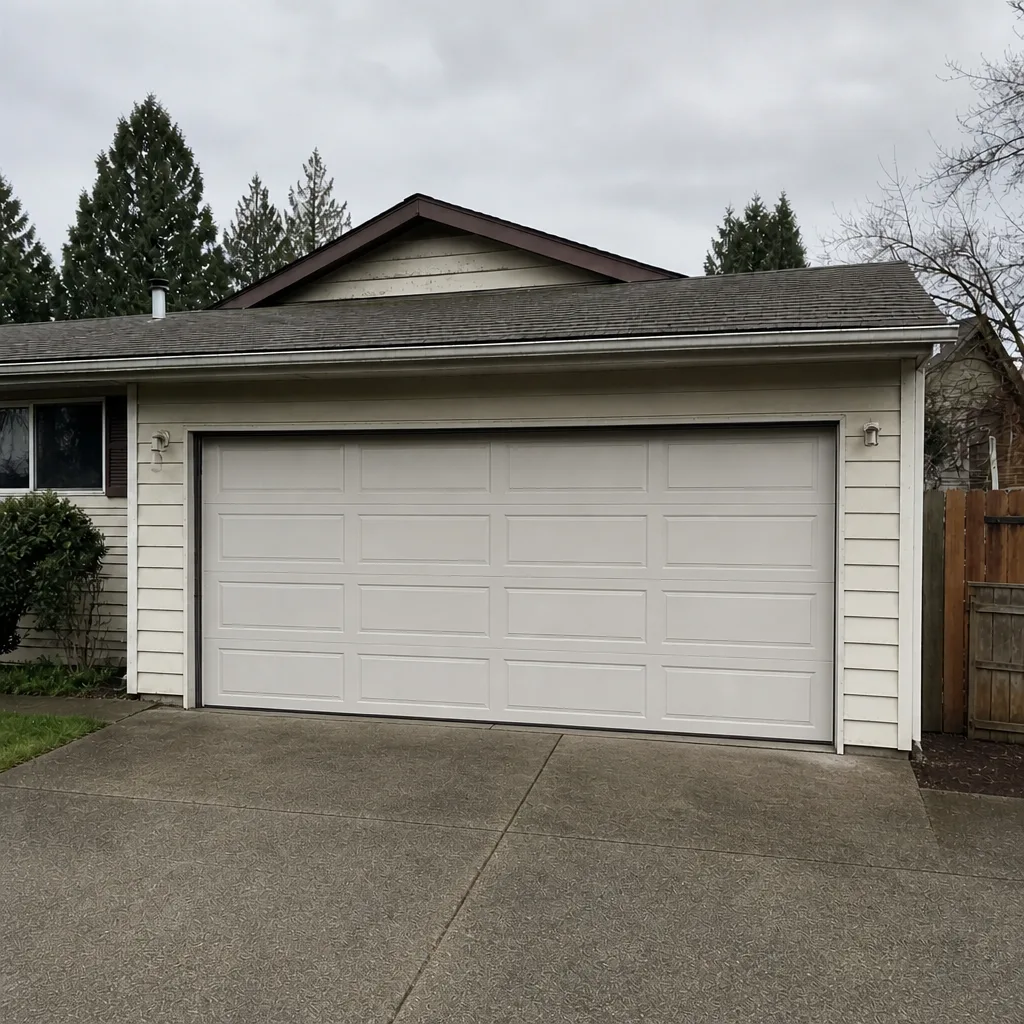 After
Frequently Asked Questions
A door that reverses without obstruction, or a loud pop followed by a door that won’t lift, is the clearest early-failure sign. Both point to a spring or safety issue, so stop using the door and call for an inspection. The sound of the pop is the giveaway: it’s sharp and sudden, not a gradual noise. Call (844) 668-5460 for a free estimate – we answer 24/7.
Most repair visits land in a moderate range, but the exact price depends on the part and job, so we give a written estimate before any work starts and that’s the price you pay. We don’t quote over the phone without knowing the problem, because a spring repair and a sensor adjustment are very different jobs. Call (844) 668-5460 for an exact quote – estimates are free.
Often yes – stuck doors and broken springs are repair calls we prioritize, and same-day service is frequently available. When we can’t get there the same day, we tell you the next opening up front rather than leaving you guessing. Call (844) 668-5460. We answer 24/7, with fast dispatch from 7am to 7pm, Sunday through Friday.
No. The written estimate you agree to is the price for the job, and the diagnosis is what determines it. If we find a bigger problem, we tell you before we touch it and you decide. We give you the estimate in writing and won’t start work until you’ve agreed to it. Call (844) 668-5460 for a free estimate.
The local professional who comes to your door is licensed and insured as their state requires. We connect you with trained, independent local technicians, and we work hard to make sure the person arriving knows their way around your specific door and opener. Call (844) 668-5460 with any questions before booking.
Rust on springs and cables matters more here than in drier areas, because our wet winters shorten the life of those parts. Watch for rust on the tension parts first, then stiff rollers and noisy hinges, and treat any rust that turns into sticking or binding as a repair call. Call (844) 668-5460 and we’ll take a look.
The Bottom Line
Warning signs only help if you know which ones mean stop and which ones mean schedule. The stop-now list is short: reversing door, broken spring, cable damage, a hanging or crooked door. The schedule-within-a-week list is grinding, slow travel, and inconsistent opener behavior. Everything else can wait for maintenance. In Puyallup, our damp climate makes rust on springs and cables the symptom to watch most closely, since it shortens the life of a door’s tension parts faster here than in drier places. When something feels off, a diagnosis beats a guess. Fix it, don’t replace it – most failing doors are a repair away from being back in service today.
Whatever brand is in your garage – LiftMaster, Chamberlain, Genie, Clopay, and the rest – we diagnose the actual failure. Puyallup Garage Door Repair Pros offers free estimates in Puyallup. Call (844) 668-5460. We answer 24/7, with fast dispatch from 7am to 7pm, Sunday through Friday, and the price is quoted and agreed before any work starts.
Written by the team at Puyallup Garage Door Repair Pros.